When designing or refurbishing a conservatory, the roof plays a critical role — not just structurally, but functionally and aesthetically. A well-designed roof transforms a glassed-in sunroom or conservatory into a comfortable, year-round living space. According to the team at Wimbledon Windows, bespoke conservatory roofs should be “dependable, stylish, and energy efficient” — offering high performance while complementing the home’s character.
Choosing the right roof is more than a matter of looks: it affects insulation, energy consumption, comfort, and ultimately the usability and value of the space.
Here at Wimbledon Windows, we offer energy-efficient & durable roofs that are built to last. Let us take you through their benefits:
Main Types of Conservatory Roofs
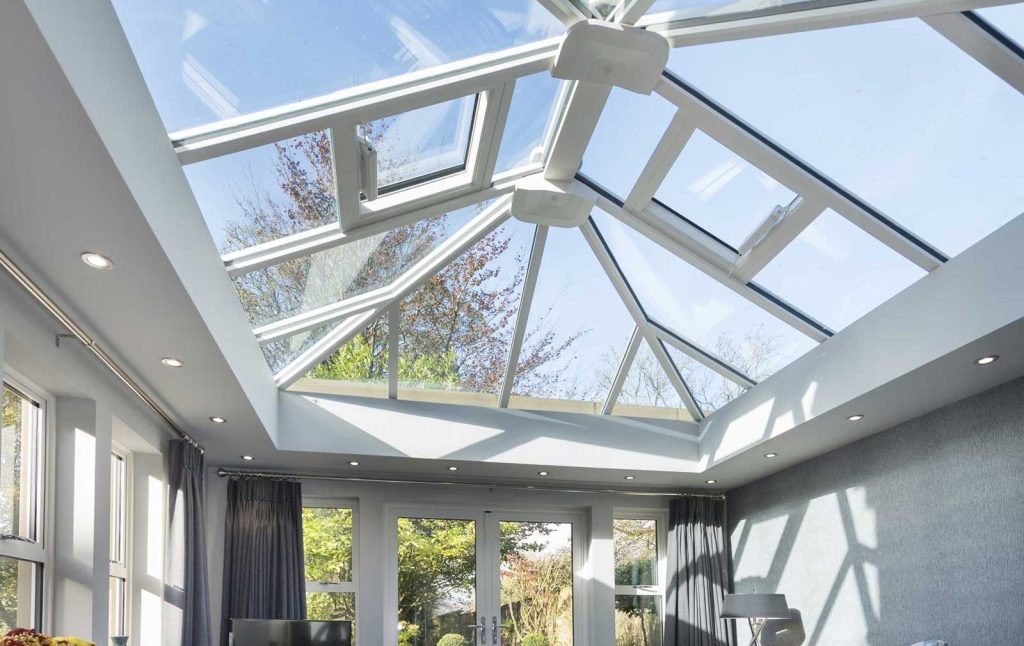
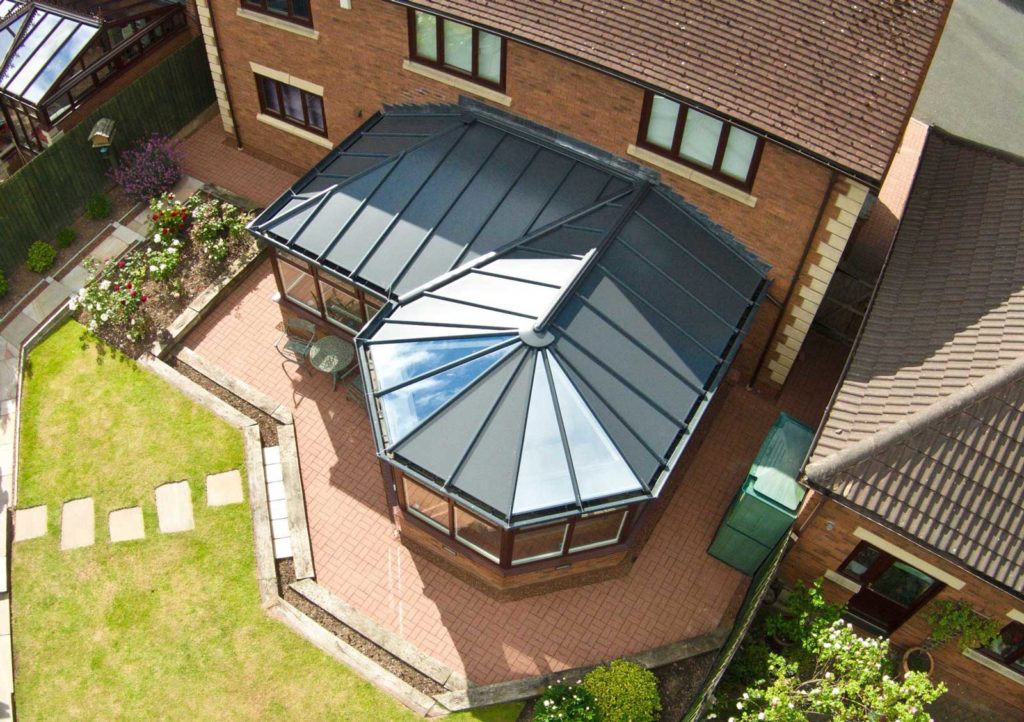
Glass Roofs
-
Advantages: Glass roofs remain a classic choice. They let in maximum natural light and give a bright, airy feel to the conservatory — ideal for garden rooms or spaces intended for relaxation and socialising.
-
Recent advances (double-glazing, solar-control coatings, self-cleaning glass) significantly improve thermal performance and reduce maintenance.
Glass roofs are best when natural light, openness, and a traditional conservatory aesthetic matter most — especially if the space will be used for daytime lounging, dining, or gardening.
Polycarbonate Roofs
-
Advantages: Polycarbonate is lightweight, relatively inexpensive and easy to install — making it a budget-friendly option, especially for older conservatories or simple seasonal use.
-
For small or infrequently used conservatories, polycarbonate may deliver acceptable performance at a lower cost
Polycarbonate roofs may be suitable when cost is the overriding concern and the conservatory is used occasionally — but they are rarely recommended for modern, long-term living spaces.
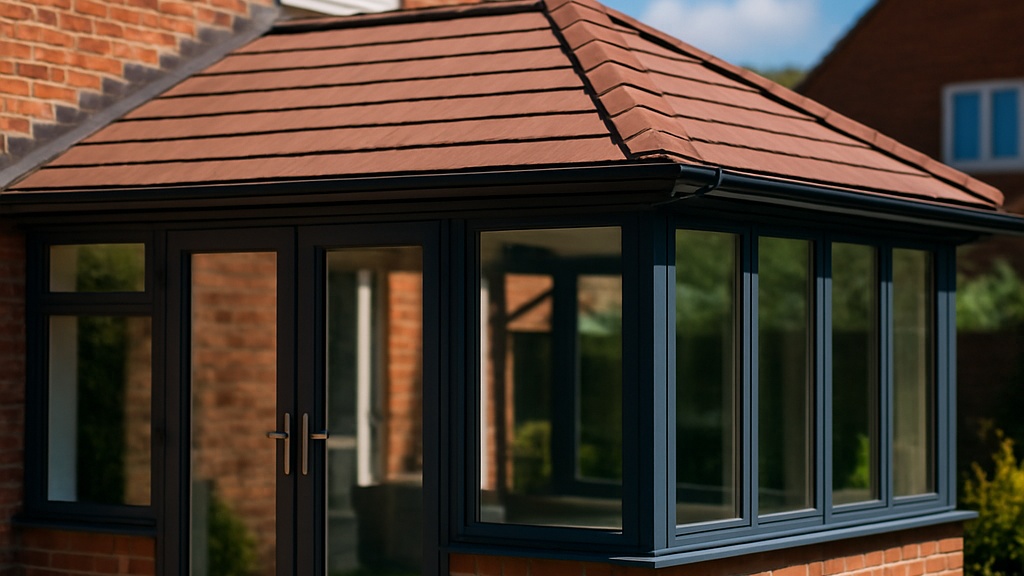
Tiled / Solid / Hybrid Roofs
-
Advantages: Tiled or solid-type roofs (sometimes with optional glass panels or skylights) provide excellent insulation — keeping the space warm in winter and cool in summer. That makes the conservatory usable year-round, essentially integrating it as a real extension of the home.
-
They often blend seamlessly with the existing house architecture, adding value and creating a cohesive overall look — a key point emphasised by Wimbledon Windows.
-
Solid/tiled roofs typically offer better noise insulation (e.g., less rain tapping), privacy, and lower maintenance than glass or polycarbonate roofs.
Solid or hybrid roofs tend to be the preferred choice when the conservatory is intended for year-round use — as a living room, office, or extension — or where energy efficiency, comfort, privacy, and integration with the home’s architecture are priorities.
How to Decide the Right Roof for Your Needs
When evaluating roofing options, consider the following factors (many of which are also highlighted by Wimbledon Windows):
-
Usage and purpose: Is the conservatory for occasional use (seasonal garden room, reading nook) — or as a full-time living space? Frequent, year-round use benefits from high-insulation, solid roofs; occasional use may make lighter/cheaper options acceptable.
-
Climate and orientation: In sun-intense or very warm climates, a glass roof might overheat unless shaded; solid or hybrid roofs control temperature better. If winters are cold, insulation becomes key.
-
Budget and long-term value: Upfront costs differ considerably; but long-term energy savings, comfort and increased property value often justify investing in higher-quality, more durable roofs.
-
Maintenance & durability: Glass roofs may need regular cleaning; polycarbonate might discolour or leak over time; solid roofs require good structural strength but tend to be more durable and low-maintenance.
-
Architectural integration & aesthetics: The roof should match the rest of your home — whether you want a traditional conservatory look or a seamless extension. Tiled/solid roofs often offer the best blending, while glass maintains a more classic conservatory feel.
Conclusion — Making the Right Choice
There is no one-size-fits-all “best” roof; the right choice depends on what you want from your conservatory. If your priority is maximum daylight, openness, and a classic conservatory feel — and you’re willing to manage summer heat or occasional maintenance — a high-performance glass roof works well. If budget is key and the room will be used sporadically, polycarbonate may be acceptable (though less ideal long-term). For a permanent, comfortable, energy-efficient living space — usable in all seasons, and well integrated with your home — a solid or tiled roof (or a hybrid roof combining insulated panels with glass panels/skylights) is often the most satisfying investment.
The defining question is: How do you plan to use the space — now and in the future? Once that’s clear, assess your budget, structural constraints, and lighting needs — then choose accordingly.
To know more, give us a call and our experts will guide you further.

- Are Triple Glazed Windows Worth It for Your Home? - 25 July 2026
- Composite Doors: A Better Entrance for Your Home - 23 July 2026
- What Is the Best Glazing for Noise Reduction? - 21 July 2026
Categories: Conservatory Roof, Wimbledon Windows