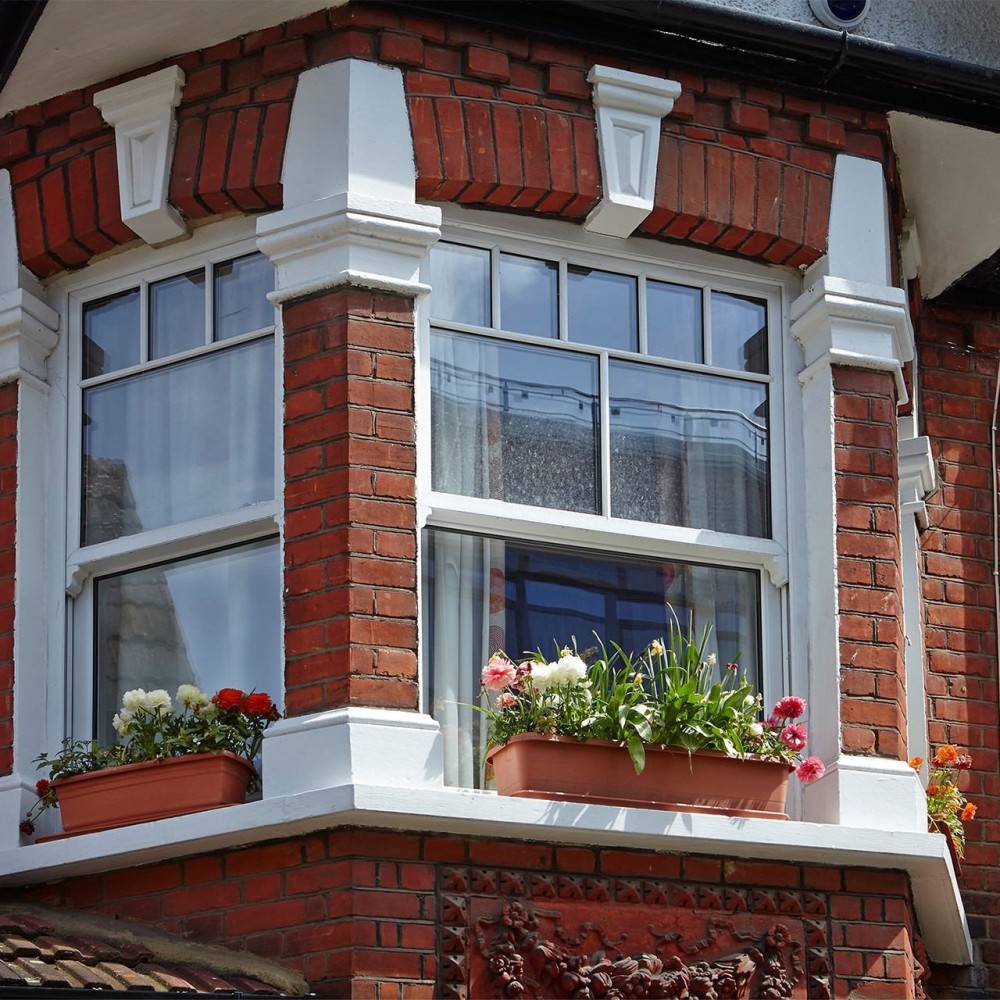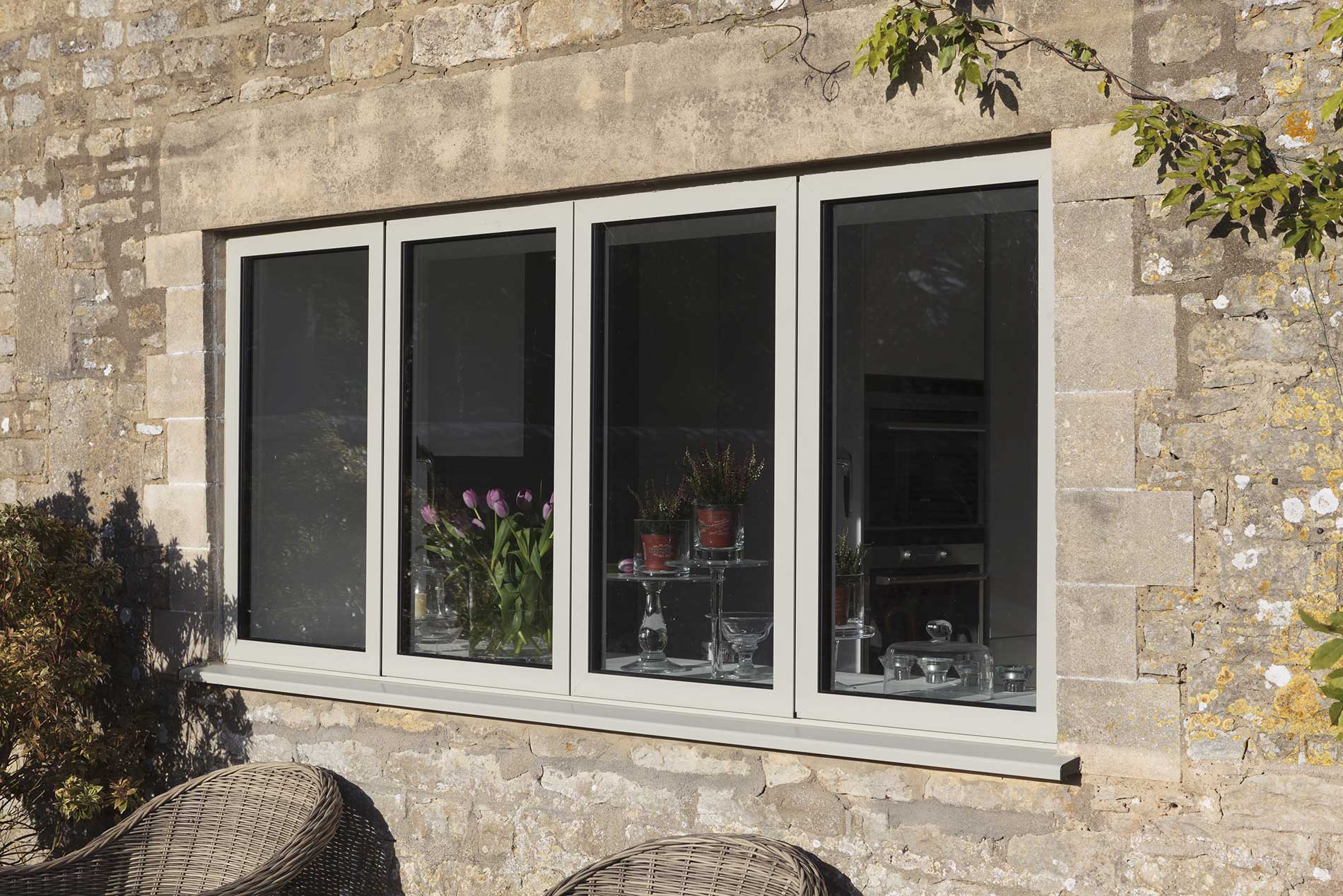
A cold patch beside the sofa, traffic noise at bedtime and heating bills that seem to rise every winter can all make replacement windows feel overdue. But are triple glazed windows worth it when high-performing double glazing is already a major improvement on older units? For many homes in Wimbledon, South London and Surrey, the answer depends less on the number of panes and more on the property, the frame, the installation and what you want your home to feel like.
Triple glazing can bring exceptional warmth and comfort. It also costs more, weighs more and is not automatically the right specification for every room. The best choice is one that delivers a noticeable, lasting difference rather than simply adding to the headline specification.
What triple glazing changes in your home
A triple glazed unit has three panes of glass separated by two insulated cavities, usually filled with an inert gas. This design reduces the rate at which heat passes through the glass. In practical terms, the inner pane stays warmer on a cold day, so rooms feel less chilly near the window and the heating does not have to work as hard to maintain a comfortable temperature.
The benefit is often felt as much as it is measured. A well-specified triple glazed window can remove that familiar cold-radiating sensation from large glazed areas, particularly in bedrooms, north-facing rooms and open-plan extensions. It can also help to reduce internal condensation, although no glazing can prevent condensation caused by excess moisture and limited ventilation within the home.
Modern double glazing is already highly efficient, especially when paired with quality low-emissivity glass, warm-edge spacer bars and insulated frames. Triple glazing takes performance further, but the difference between a basic double glazed window and a carefully designed triple glazed system is far more meaningful than the difference between premium double and premium triple glazing. That is why the complete window specification matters.
Are triple glazed windows worth it for energy savings?
If your existing windows are single glazed, tired double glazed units or frames with obvious draughts, replacement windows of either type can make a substantial difference to comfort and energy use. Triple glazing offers lower heat loss through the glazed area, which is particularly valuable where there is a lot of glass or where a home is exposed to colder conditions.
However, the financial payback is rarely as simple as dividing the upgrade cost by a predicted reduction in bills. Energy prices change, each household heats differently, and heat escapes through roofs, walls, floors and ventilation as well as windows. A property with poor loft insulation may see a greater immediate return from addressing the roof space before moving from premium double to triple glazing.
For homeowners planning to remain in their property for many years, the case can be stronger. The value is not only lower heat loss. It is also a warmer home in winter, fewer draughts, better comfort around window seats and a more refined standard of living every day. These are benefits that do not always fit neatly into a payback calculation.
Noise reduction: helpful, but not guaranteed
Triple glazing is often assumed to be the quietest possible option. It can improve sound insulation, but three panes alone do not guarantee the best acoustic result.
Noise behaves differently from heat. For homes near busy Wimbledon roads, rail routes or regular flight paths, the glass thicknesses, the gap between panes and the quality of the seals can be more influential than simply choosing an extra pane. Using panes of different thicknesses can help disrupt sound frequencies more effectively than three identical panes. Laminated acoustic glass may also be appropriate where outside noise is a central concern.
The frame and installation are equally important. Sound will find its way through gaps around a poorly fitted window, trickle vents, ill-fitting opening sashes and even adjacent building elements. A detailed survey should identify the source and character of the noise before a glazing specification is recommended.
The trade-offs to consider before choosing triple glazing
Triple glazed units are heavier than double glazed units. This requires a frame system designed to support the additional weight without compromising smooth operation, sightlines or long-term reliability. It is particularly relevant for larger opening sashes, bay windows and heritage-style designs where proportions matter.
There is also the question of solar gain. Windows do not only lose heat – they can admit useful warmth from the sun. Some triple glazed specifications reduce this gain compared with double glazing. In a south-facing room, that may be a trade-off worth discussing, especially if the space already benefits from winter sunshine. In an exposed north-facing elevation, maximising insulation may be the clearer priority.
Cost is naturally another factor. Triple glazing generally carries a higher initial price because of the additional glass, materials and handling involved. It should be viewed as part of a tailored window package rather than a blanket upgrade to apply without thought. A mixed specification can sometimes be sensible: triple glazing for colder, noisier or less sheltered elevations, and high-performance double glazing elsewhere.
Which homes benefit most from triple glazing?
Triple glazing is often an excellent choice for new-build homes, major renovations and extensions designed around high levels of insulation. It also suits homeowners replacing large areas of older glazing, particularly where rooms feel cold despite adequate heating.
It can be especially worthwhile for:
- north-facing rooms, exposed properties and homes with large glazed elevations
- bedrooms where a calmer, more stable overnight temperature matters
- contemporary extensions with bifold doors, sliding doors or substantial fixed glazing
- homes where owners are taking a long-term approach to energy efficiency and comfort
That does not mean period properties should be ruled out. Many Wimbledon and Surrey homes need replacement windows that respect original proportions, timber detailing or conservation considerations. The right solution may be a carefully designed timber, aluminium or uPVC system with slim sightlines and a glazing specification suited to the building. Where planning controls apply, the visual appearance and permitted design may guide the decision as much as thermal performance.
Do not judge windows by the glass alone
A triple glazed unit can only perform properly when it is fitted into a well-engineered frame and installed with precision. Frame insulation, weather seals, drainage, hardware, glass spacers and the junction between window and wall all affect the final result.
This is where an experienced local survey and installation service makes a genuine difference. Measuring accurately, checking the condition of surrounding reveals and selecting a system that suits the opening are not secondary details. They are how the promised warmth, security and weather protection are achieved once the work is complete.
Ask to compare whole-window performance rather than glass-only figures. A low centre-pane U-value can sound impressive, but it does not tell the full story of the frame, edge seals or installation. It is also worth considering security, ventilation, ease of cleaning and how the windows will look from inside and out. Replacement windows should improve the way a home works, not just meet a technical target.
Choosing between double and triple glazing
Premium double glazing remains a very strong option for many South London homes. It can offer excellent thermal performance, attractive slim frames and a more accessible budget, especially where existing windows are inefficient or nearing the end of their life.
Triple glazing becomes more compelling when you are aiming for the highest level of warmth, specifying a well-insulated extension, replacing large areas of glass or dealing with a particularly exposed part of the property. It is also a considered choice for homeowners who value the quieter, more even comfort that comes from reducing cold surfaces around the home.
The right answer should come from looking at your property as a whole: its orientation, construction, existing insulation, window sizes, noise levels and architectural character. Wimbledon Windows can help homeowners compare suitable systems and glazing options so the finished result feels as considered as it looks.
A window investment should leave your home warmer on a January morning, quieter when the road is busy and just as elegant years from now. Start with the rooms that cause the greatest discomfort, then choose the glazing and frame combination that solves that problem properly.

- Are Triple Glazed Windows Worth It for Your Home? - 25 July 2026
- Composite Doors: A Better Entrance for Your Home - 23 July 2026
- What Is the Best Glazing for Noise Reduction? - 21 July 2026
Categories: Wimbledon Windows