Walk down almost any residential street in Wimbledon or across the older parts of Surrey and you can spot straight away when replacement windows jar with the building. The proportions look wrong, the frames are too bulky, or the finish feels flat against original brickwork. That is usually where the question starts – what are heritage windows, and why do they matter so much on traditional homes?
Heritage windows are replacement windows designed to respect the original appearance of period properties while delivering the performance homeowners now expect. In simple terms, they aim to keep the character of an older building intact, but improve comfort, security and energy efficiency behind the scenes. For many homeowners, that balance is exactly the point. You want a home that still looks elegant from the street, but feels warmer, quieter and easier to live in every day.
What are heritage windows?

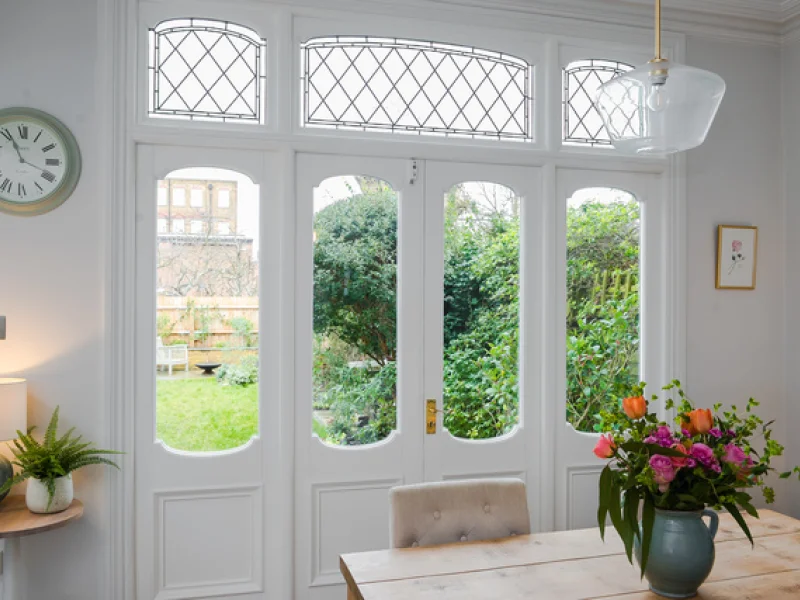
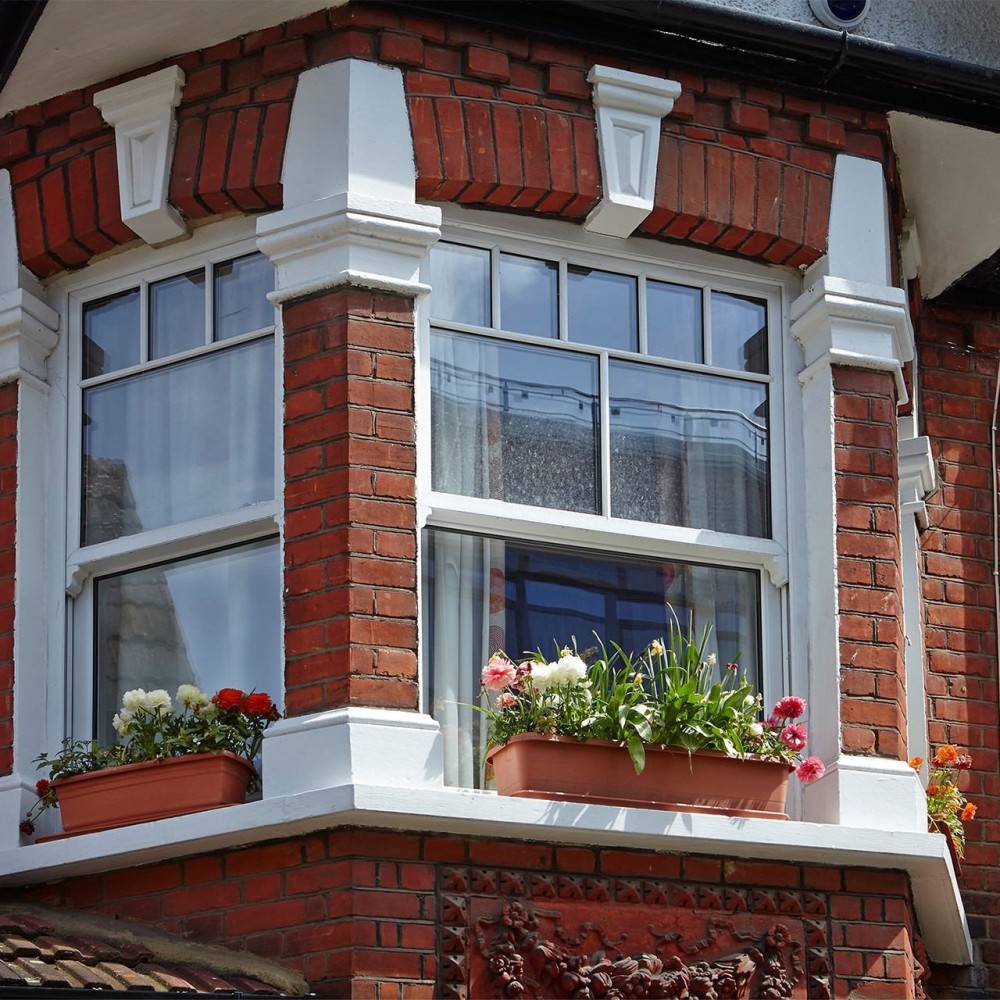
The term usually refers to windows made to replicate traditional sightlines, detailing and opening styles found on older properties. That could mean classic sash windows, slim casement frames, decorative glazing bars, period ironmongery or finishes that suit a Victorian, Edwardian, Georgian or cottage-style home.
What makes them different from a standard replacement window is the level of visual sensitivity. Heritage windows are not just about fitting glass into an opening. They are designed around the architecture of the property, so the frames, glazing pattern and overall proportions feel right for the age and style of the house.
That does not always mean they are timber, and it does not automatically mean they are single glazed. Modern heritage-style windows can be manufactured in timber, aluminium or carefully designed uPVC, depending on the project and any planning constraints. The best options retain a traditional appearance while offering modern glazing, improved seals and stronger security features.
Why homeowners choose heritage windows
For many period homeowners, appearance comes first. A beautiful bay frontage or original brick elevation can lose much of its charm if the windows look too modern. Heritage windows help protect that kerb appeal, which matters not only for pride in the home but often for long-term property value as well.
That said, looks are only half the story. Older windows can be a source of persistent discomfort. Draughts around frames, cold spots near the glass, rattling sashes and outside noise are all common complaints. The appeal of heritage windows is that they allow you to address those issues without stripping away the home’s original character.
This is especially relevant in areas where period homes sit alongside busy roads, school routes and rail links. A well-made heritage-style window can help create a noticeably calmer, warmer interior while still looking appropriate from the outside.
Heritage windows versus standard replacement windows
At a glance, two windows may appear similar. The difference tends to show in the details.
Standard replacement windows are often designed with broad appeal in mind. They may perform well, but they are not always sympathetic to period architecture. Frames can be chunkier, glazing bars can look applied rather than authentic, and proportions may not match the original openings.
Heritage windows are more exacting. Slimmer profiles, traditional hardware, carefully matched colours and more considered styling all contribute to a result that feels in keeping with the property. In a conservation setting or on a characterful home, those details are rarely minor. They often determine whether the finished installation looks polished or out of place.
There is a trade-off, of course. A more heritage-sensitive design can involve more product choice, more planning and sometimes a higher initial investment. For homeowners improving a forever home or upgrading a period property properly, that extra care is usually worthwhile.
Common features of heritage windows
Not every heritage window includes every traditional detail, because the right specification depends on the property. Still, a few features come up time and again.
You will often see slimmer frame profiles, which help preserve the refined appearance of older window designs. Glazing bars are another common element, especially on Georgian and Victorian-inspired styles. In some cases, hardware is chosen to reflect the era of the home, from sash lifts and fasteners to monkey tail handles on casement windows.
Finishes matter too. Heritage windows are frequently selected in tones and textures that suit the building rather than dominate it. Cream, white, grey and heritage green are all popular choices, but the correct colour depends on the masonry, roofline and overall style of the property.
The goal is never to make the windows look old in a tired sense. It is to make them look right.
Which homes suit heritage windows?
The obvious answer is period homes, and that includes Victorian terraces, Edwardian semis, Georgian townhouses and rural cottages. But heritage windows are not only for listed or historic buildings.
Many 1920s and 1930s homes benefit from more sympathetic replacement styles, particularly where original features still survive elsewhere on the property. Even newer homes can suit heritage-style glazing if the architecture leans traditional rather than sharply contemporary.
The important question is not simply how old the home is. It is whether a standard modern window would interrupt the design of the property. If the answer is yes, a heritage-led approach is usually the better route.
Do heritage windows have to be timber?
No, and this is one of the biggest misconceptions.
Timber remains a popular option for homeowners who want the most authentic appearance, particularly on period houses where traditional joinery is part of the character. It offers warmth, texture and an unmistakably classic finish. For some properties, especially those with stricter planning requirements, timber may also be the preferred or necessary choice.
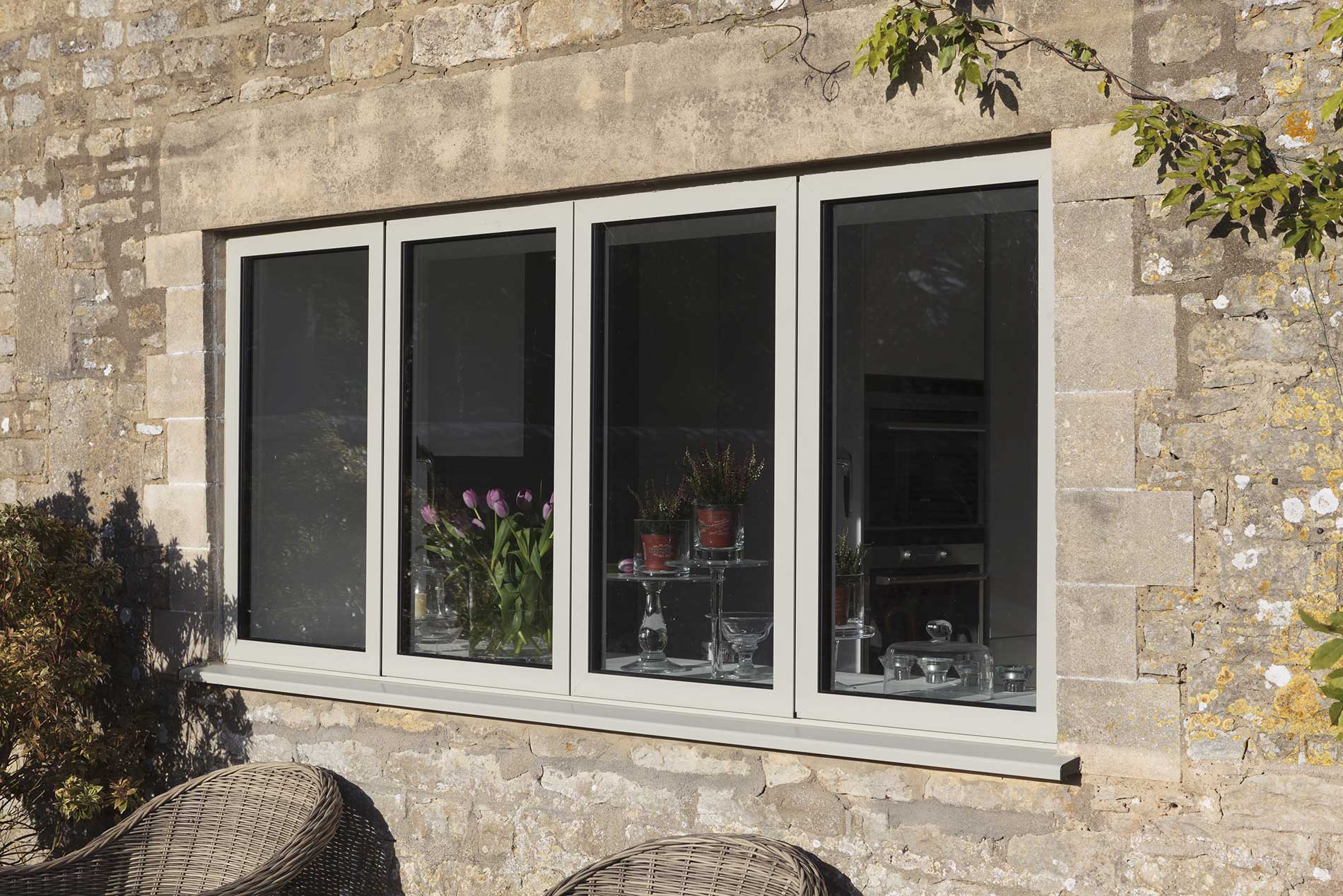
However, modern aluminium and uPVC systems can also be manufactured in heritage styles. Aluminium is often chosen for its strength and slimmer sightlines, while heritage-style uPVC can provide a more budget-conscious route to traditional looks and better insulation.
The right material depends on the home, the expected finish, maintenance preferences and whether the property sits in a conservation area. There is no one-size-fits-all answer. A good specification should reflect both the building and the way you want to live in it.
Are heritage windows energy efficient?
They certainly can be. In fact, one of the main reasons homeowners replace ageing windows is to improve thermal performance.
Traditional windows often lose heat through worn seals, poor glazing and older frames. Heritage windows are built to preserve appearance, but modern versions can include double glazing, advanced weather sealing and improved frame construction that significantly reduce heat loss.
That said, performance will vary depending on the product and any restrictions on the property. In some heritage or listed settings, there may be tighter limits on what can be altered. Where full modernisation is not possible, there are still often ways to improve comfort without compromising the building’s character.
For many homeowners, the result is a house that feels less draughty in winter, more stable in temperature and quieter throughout the year. Those benefits are not flashy, but you notice them every day.
Planning permission and conservation areas
This is where heritage windows move from style choice to practical necessity.
If your home is listed or located in a conservation area, there may be rules about window replacements. These can affect materials, opening styles, glazing patterns and even frame dimensions. It is not unusual for local authorities to expect new windows to match the originals closely.
That does not mean improvement is off the table. It means the design and specification need to be handled carefully from the outset. Accurate advice, proper surveying and products suited to heritage settings make the process far smoother than trying to force a generic replacement into a sensitive property.
For homeowners, that managed approach can be just as valuable as the product itself. The right guidance saves time, avoids costly mistakes and leads to a finished result you feel confident about.
What to look for when choosing heritage windows
The best heritage windows are convincing from the outside and comfortable from the inside. That means looking beyond a brochure image and paying close attention to the finer points.
Frame proportions matter. So do glazing bar arrangements, hardware styles and the quality of the finish. You should also consider practical performance, including insulation, security and maintenance. A window that looks authentic but does not perform well will quickly disappoint. Equally, a high-performing window that looks out of place can undermine the whole appearance of the home.
This is why a tailored approach matters. At Wimbledon Windows, heritage-sensitive projects are approached with the same care as any major home improvement – by matching the window style to the property, the planning context and the homeowner’s priorities.
Why the right installation matters as much as the product
Even the best-designed heritage window can look poor if it is badly fitted. Uneven lines, untidy finishing and awkward proportions can all spoil the effect, especially on older homes where every detail is more visible.
Good installation protects more than appearance. It helps ensure weather performance, security and longevity too. Period properties often have quirks, and replacement work needs precision rather than a rushed, standardised approach.
When heritage windows are specified properly and installed with care, the result feels settled. The home keeps its character, but gains a quieter, warmer and more secure future. That is what most homeowners are really looking for – not just windows that replace what was there before, but windows that do justice to the house.
If you are weighing up options for a period or character property, it helps to think beyond the frame itself. The right heritage window should respect the building, improve daily comfort and still look as though it has always belonged there.
At Wimbledon Windows, we combine premium products with honest advice and exceptional customer service. Whether you’re replacing windows, upgrading your doors, or improving your home’s energy efficiency, our experienced team is ready to help you find the right solution for your property.

- Are Triple Glazed Windows Worth It for Your Home? - 25 July 2026
- Composite Doors: A Better Entrance for Your Home - 23 July 2026
- What Is the Best Glazing for Noise Reduction? - 21 July 2026
Categories: Wimbledon Windows