Your home’s windows do more than just provide a view of the outside world; they protect your property, secure your family, and play a critical role in insulation. However, like any part of a house, they have a limited lifespan. Knowing exactly when to replace windows can save you thousands of pounds in energy bills and prevent costly structural damage down the line.
If you are a homeowner in South West London, keeping an eye out for clear signs of deterioration is essential. Here are 10 signs it’s time to invest in your property, improve your energy efficiency, and discover when to replace windows.
1. High Energy Bills and Cold Draughts
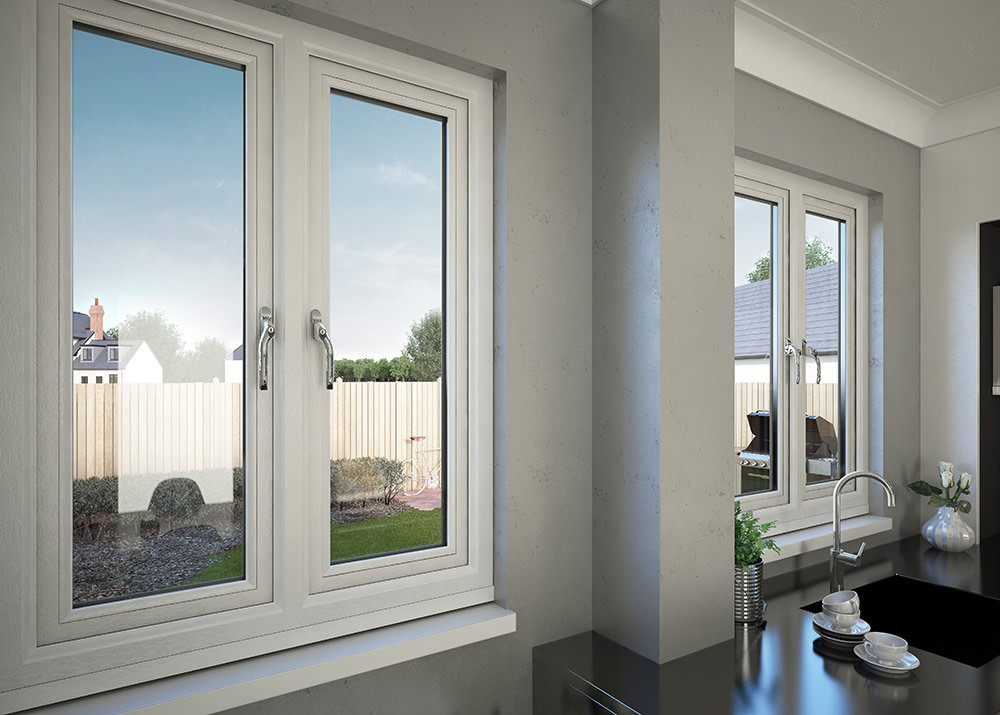
If you notice a sudden spike in your heating bills or feel a distinct chill when walking past your glass panes, your windows are failing. When seals degrade, cold air leaks in and warm air escapes. Knowing when to replace windows often comes down to this simple financial equation: if you are spending a fortune to heat the outdoors, it is time for an upgrade. Upgrading to modern uPVC windows or sleek aluminium windows creates an airtight thermal barrier that keeps your home comfortable year-round.
2. Condensation and Fogging Between Panes
Seeing mist, fog, or water droplets trapped between the layers of glass? This means the gas-filled seal inside your double or triple glazing has completely failed. Once the seal blows, the window loses its insulating properties entirely. This is a definitive visual indicator of when to replace windows, as a blown unit cannot be easily repaired and will drastically lower your home’s thermal efficiency.
3. Difficulty Opening, Closing, or Locking
Windows should operate smoothly. If you have to fight with a sash to get it open, or if a casement refuses to lock properly, it is a significant safety and security hazard. Over time, frames can warp, expand, or sag. Instead of struggling with jam-prone frames, knowing when to replace windows ensures your home remains secure against both intruders and unpredictable British weather.
4. Decaying or Rotting Window Frames
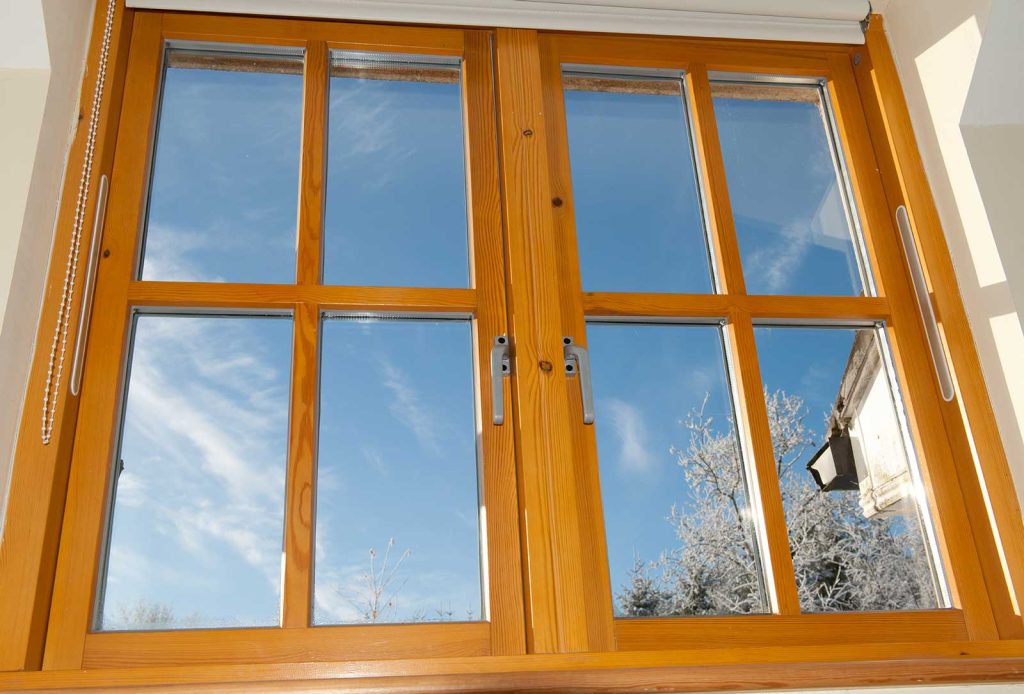
For those with traditional timber frames common in older South West London properties, rot is a major enemy. Soft, spongy wood or deep cracks mean moisture has deeply penetrated the frame. Left unaddressed, this rot can spread into your home’s structural walls. If your current frames are crumbling, it’s a critical sign of when to replace windows and switch to low-maintenance new windows for homes.
5. Poor Soundproofing
Do you hear every car, pedestrian, or distant siren on the high street as if they were right inside your living room? Older single glazing or degraded double glazing offers very poor acoustic insulation. Investing in new double or triple glazing is an excellent way to restore peace and quiet to your home, making sound pollution a major factor in deciding when to replace windows.
6. Fading Furniture, Carpets, and Curtains
Older glass lacks the advanced technology to filter out harmful ultraviolet (UV) rays. If you notice that your rugs, sofas, or artwork sitting near the glass are losing their colour, your windows are letting in too much sun damage. Modern glass technology blocks up too much of these destructive rays, which serves as a subtle yet costly indicator of when to replace windows.
7. Visible Cracks or Chips in the Glass
Even a tiny hairline fracture in a single pane can compromise the structural integrity of the entire unit. Cracks expand with temperature fluctuations, leaving your home vulnerable to forced entry or a sudden shattering. When physical damage appears, the question of when to replace windows becomes an urgent matter of immediate home safety.
8. Water Leaks and Internal Damp
Moisture pooling on your indoor windowsills or damp patches spreading around the frame walls is a massive red flag. Leaking windows quickly lead to toxic mould growth and structural rot. If your seals can no longer keep heavy rain out, it is an undeniable signal of when to replace windows before the internal damage becomes incredibly expensive to remediate.
9. Outdated Aesthetics and Lack of Curb Appeal
Sometimes the frames are physically intact but look completely outdated. Chunky, discoloured frames can severely drag down the overall look and market value of your property. Choosing sleek modern designs helps breathe new life into your home’s facade. Boosting your curb appeal is a perfectly valid lifestyle reason for looking into when to replace windows.
10. They are Over 20 Years Old
Even the highest-quality windows don’t last forever. Most double-glazed units have a functional lifespan of roughly 15 to 25 years. If your fixtures were installed before the mid-2000s, they are running on borrowed time and operate on vastly outdated insulation standards. Simply reaching this age milestone is your cue for when to replace windows.
Exploring Materials and New Windows Costs
When making the upgrade, you have fantastic options depending on your home’s style and architectural needs:
- uPVC Windows: The most popular choice in the UK, offering exceptional energy efficiency, durability, and virtually zero maintenance.
- Aluminium Windows: Ideal for modern properties, featuring ultra-slim frames, maximum glass surface areas, and incredible structural strength.(Note: Actual new windows costs vary depending on size, style like casement or sash, and specific installation requirements).
Time for an Upgrade? Contact Wimbledon Windows Today!
If you recognised any of these warning signs in your own property, don’t wait for the winter chill or summer heat to drive up your energy bills. Knowing when to replace windows is the first step – taking action is the next!
At Wimbledon Windows, we provide premium, energy-efficient new windows for homes across Wimbledon and the surrounding South West London areas. Whether you want classic style or contemporary clean lines, our expert team is here to help.
Get Your Free, No-Obligation Quote Today! or call our friendly team on 020 8543 1444 to discuss your project.
Frequently Asked Questions
How much do new windows costs on average?
In 2026, the typical price to supply and fit a single standard uPVC casement window ranges between £500 and £800. A full-house replacement for a standard 3-bedroom home generally falls between £4,500 and £9,000, though choosing premium materials like aluminium or architectural styles like sash windows will increase the overall project price.
Can I just replace the glass if the frame is fine?
If your frames are in perfect structural condition (no rot, warping, or damage) and you are simply dealing with a blown seal or cracked pane, you can often choose to replace just the glass units. However, if the frames are old, upgrading the entire system is much more cost-effective in the long run to maximise energy efficiency.
How long does it take to install new windows?
A professional installation team can typically replace around 4 to 6 standard windows per day. A complete replacement for an average terraced or semi-detached home usually takes between 1 to 2 days, causing minimal disruption to your daily routine.

- Are Triple Glazed Windows Worth It for Your Home? - 25 July 2026
- Composite Doors: A Better Entrance for Your Home - 23 July 2026
- What Is the Best Glazing for Noise Reduction? - 21 July 2026
Categories: Double Glazed Windows London, double glazing fulham, Double Glazing London, Double Glazing New Malden, Double Glazing North Cheam, Double Glazing Old Malden, Double Glazing Prices in London, Double Glazing Prices Wimbledon, double glazing richmond, Double Glazing Southfields, double glazing worcester park, Double Glazing Worchester Park, London windows, News, Sash Windows Fulham, Timber Windows, uPVC Doors London, uPVC windows, uPVC Windows London, uPVC Windows Richmond, uPVC windows wimbledon, Wimbledon Windows