A cold patch beside the sofa, traffic noise at bedtime and condensation gathering on the glass are not small inconveniences. They are often signs that your windows are no longer doing their job. Knowing how to choose double glazing means looking beyond a simple replacement and choosing a solution that makes your home warmer, quieter, safer and more attractive for years to come.
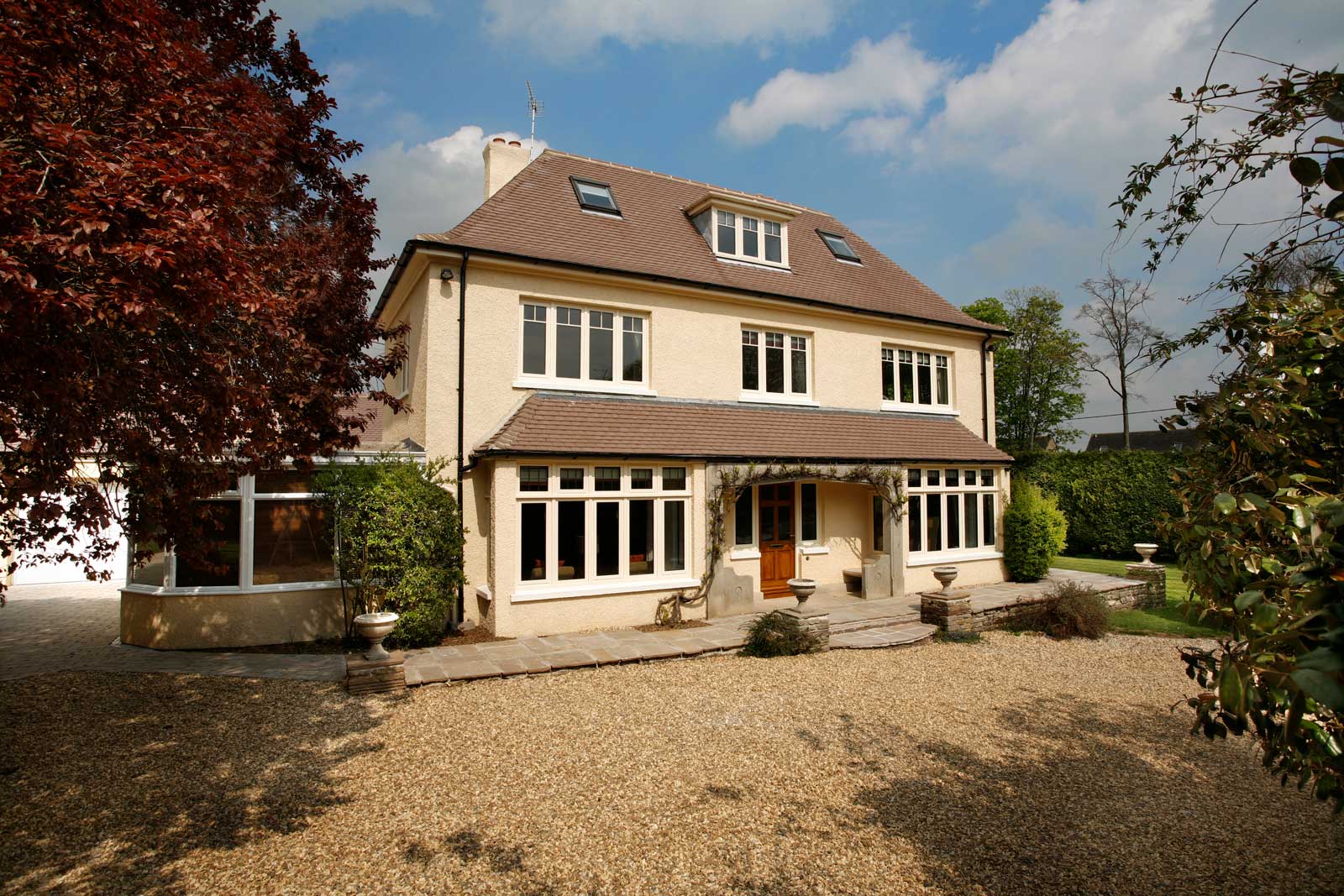
For homeowners in Wimbledon, South London and Surrey, the right answer will depend on the property itself. A Victorian terrace, a period cottage, a 1930s semi and a contemporary extension each call for a different balance of appearance, performance and budget. The best double glazing should feel like it has always belonged to the home, while quietly improving everyday comfort.
Start with what you want your new glazing to solve
Before comparing frame finishes or asking for prices, identify the problem you most want to fix. This makes every later decision clearer. If rooms feel chilly despite the heating being on, thermal performance should lead the conversation. If you live near a busy road, rail line or flight path, acoustic glazing and the quality of installation deserve particular attention.
Security may be the priority for ground-floor windows, rear doors or less visible parts of the property. For many homeowners, kerb appeal matters just as much. Tired white frames can make an otherwise well-kept house look dated, while carefully chosen flush sash windows, heritage detailing or slim aluminium sightlines can transform its character.
It is common to have more than one aim. The key is to decide which benefit cannot be compromised. A specialist survey should then turn those priorities into a tailored specification rather than a one-size-fits-all package.
How to choose double glazing by glass performance
The glass unit is central to how a window performs, but the phrase “double glazed” does not tell you everything. A standard unit has two panes of glass separated by a sealed cavity, usually filled with air or an insulating gas such as argon. Low-emissivity, or low-E, coatings help retain heat by reflecting warmth back into the room.
Ask about the window’s overall energy rating and U-value. In simple terms, the U-value measures how readily heat passes through the whole window. Lower figures indicate better insulation. It is worth checking that the figure applies to the complete window, including the frame and glass, rather than the centre pane alone.
For a warm, comfortable home, energy-efficient double glazing can reduce heat loss and help make temperatures more consistent from room to room. It may also lessen the pressure on your heating system, particularly in older homes with large glazed areas.
Choose acoustic glass when quiet is a priority
Double glazing can reduce outside noise, but not every unit delivers the same acoustic result. The best specification for sound control often uses panes of different thicknesses, known as asymmetric glazing, rather than two matching panes. Laminated acoustic glass can offer a further improvement in demanding locations.
Noise performance also relies on a precise fit. Even excellent glass will disappoint if there are gaps around the frame or poorly sealed junctions. This is why professional measuring and installation are every bit as valuable as the product specification.
Consider safety glass in the right locations
Toughened or laminated safety glass may be required in areas where people could fall against it, such as doors, low-level windows and glazing close to floors. Laminated glass also remains held together if broken, making it a practical option for security-conscious homeowners.
A knowledgeable installer will advise where safety glazing is needed and where it provides worthwhile extra reassurance. It should be part of a considered design, not an afterthought added at the end.
Select a frame material that suits the property
Frame choice shapes the appearance, maintenance needs and long-term feel of your windows. There is no universal best material. The right choice depends on the architecture of the home, the desired finish and how you want the windows to perform over time.
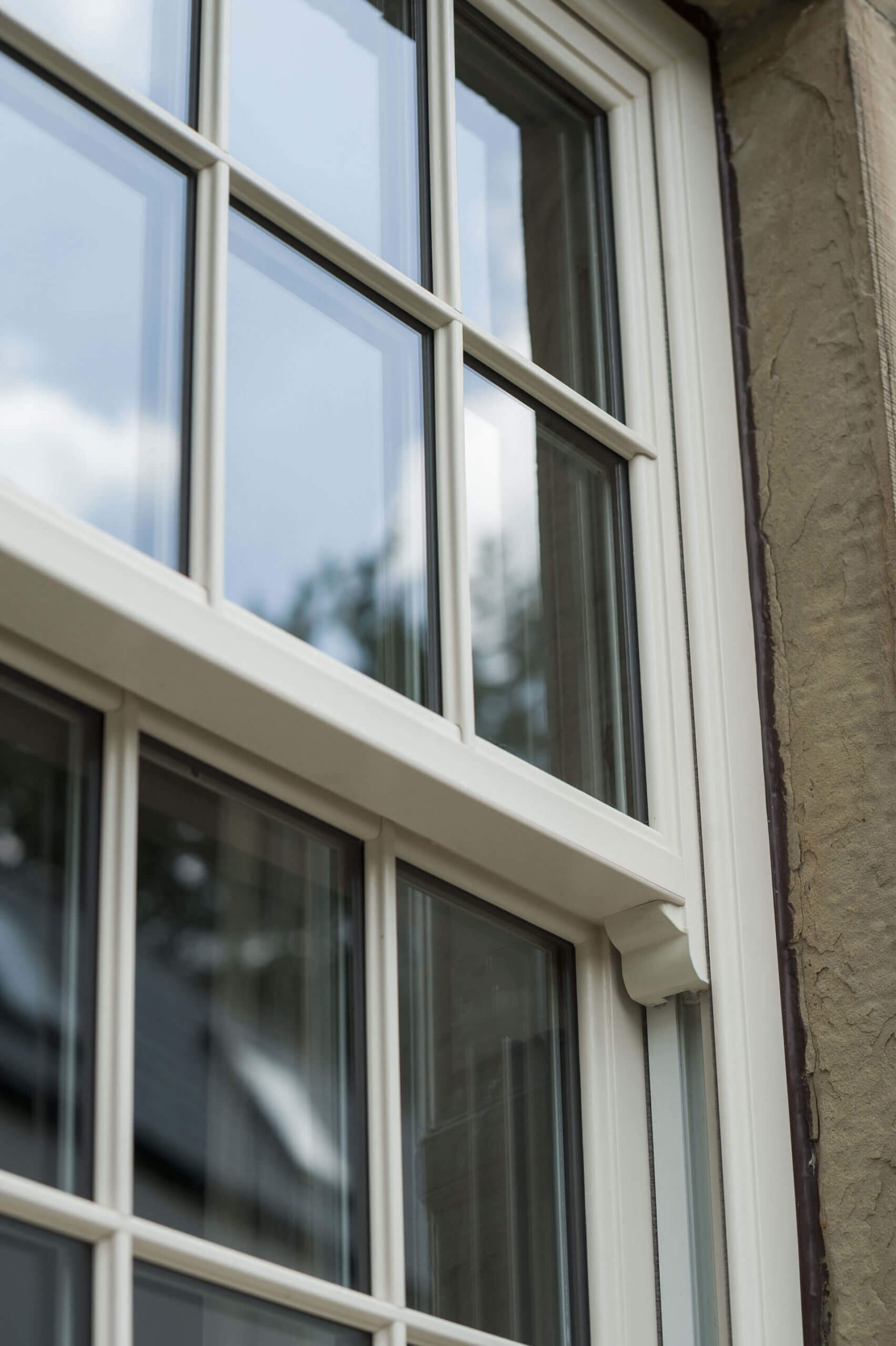
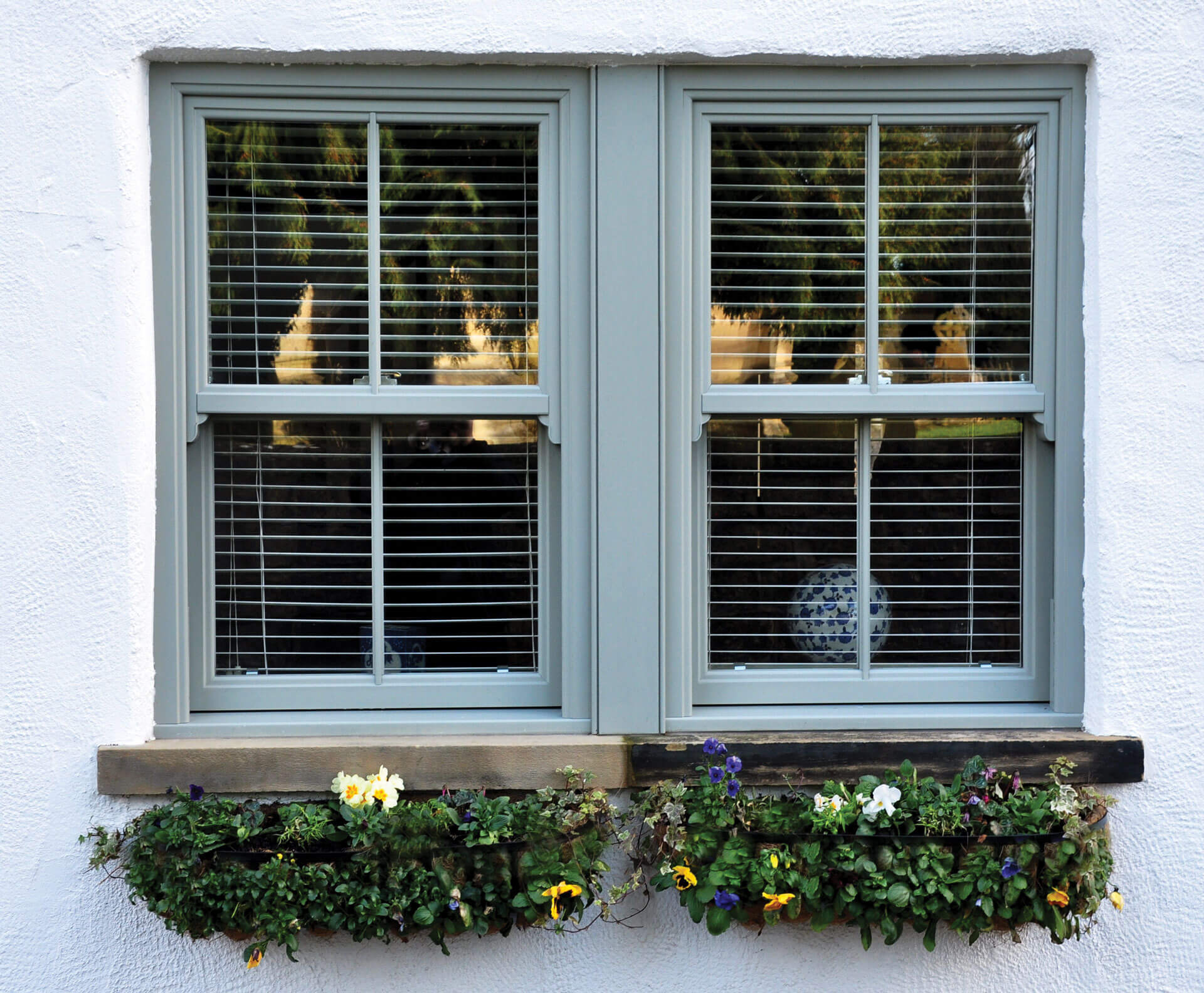
uPVC remains a popular option because it is low maintenance, energy efficient and available in a wide range of colours and wood-effect finishes. Modern uPVC is far removed from the bulky frames many people associate with older replacements. Flush sash styles can be particularly effective on traditional homes where a more refined appearance is wanted.
Aluminium is valued for its strength and slender sightlines. It is an excellent choice for contemporary properties, large picture windows, modern extensions and doors where maximising natural light is important. Quality aluminium systems are thermally broken to limit heat transfer, combining crisp architectural lines with strong insulation.
Timber brings natural warmth and authentic character, making it especially suitable for period properties and heritage-led projects. It requires more care than uPVC or aluminium, but a well-finished engineered timber window can be a beautiful, lasting investment. In conservation-sensitive settings, the proportions, glazing bar design and external detailing may be as important as the material itself.
Look at full-size samples wherever possible. A colour that appears subtle on a screen can look very different across a whole front elevation in changing daylight. Consider the brickwork, roof tiles, front door and neighbouring properties before choosing a finish.
Do not overlook opening style and everyday use
The most attractive window will become frustrating if it does not work well for the room. Casement windows offer versatility and straightforward ventilation. Sliding sash windows suit many Georgian, Victorian and Edwardian homes, while tilt and turn designs can provide secure ventilation and easy cleaning, particularly on upper floors.
Think about furniture placement, external pathways and how you use each space. A window that opens outwards may not be ideal beside a narrow side passage. In a kitchen, easy-to-reach handles and controllable ventilation are often more useful than a dramatic opening arrangement. Bedrooms may benefit from night-vent positions that allow fresh air while maintaining security.
For large openings, the decision may extend beyond windows. Patio doors, bifolds and sliding doors can bring light and connection to the garden, but their frame proportions, threshold details and weather performance should be assessed with equal care.
Compare security features, not just locking points
A secure window is a system, not a number on a brochure. Multi-point locking, internal beading, lockable handles and reinforced frames all have a role to play. The quality of hinges and keeps matters too, particularly on accessible ground-floor and first-floor windows.
Ask how the product has been tested and whether its hardware meets recognised security standards. Just as importantly, look at how the window will be fitted into the opening. A secure frame needs to be fixed properly to the structure, with the right packers, fixings and finishing details.
Security should not make the home feel closed in. Good modern designs combine discreet hardware with clean sightlines, so you can enjoy peace of mind without compromising the character of the property.
Treat installation as part of the product
Double glazing is a long-term home improvement, and the fitting quality will influence its performance every day. Accurate surveying is essential, especially in older homes where openings are rarely perfectly square. The installer should assess the condition of surrounding masonry, existing lintels, internal reveals and external finishes before work begins.
A clear proposal should explain what is included: removal and disposal of old windows, protection of the home during works, repairs if needed, internal making-good, external sealing and any relevant compliance documentation. The cheapest quotation can become poor value if these details are vague or excluded.
It is also sensible to ask about guarantees, aftercare and who will manage the project if questions arise. Choosing an established local specialist such as Wimbledon Windows gives homeowners the benefit of advice from initial design through to installation and support after the work is complete.
Balance price with lifespan and value
Price matters, but double glazing should not be judged by the initial figure alone. A better-specified window may cost more upfront while delivering improved insulation, reduced maintenance, stronger security and a finish that continues to complement the home years later.
Compare quotations on a like-for-like basis. Check the frame material, glass specification, colours, hardware, trickle vents, safety glass, installation scope and guarantee terms. If one quote is significantly lower, establish exactly what has changed. It may be a perfectly reasonable alternative, but it should be a conscious trade-off rather than an unwelcome surprise after fitting.
For larger projects, phased work or finance options may help spread the cost without reducing the quality of the chosen specification. The aim is not simply to replace windows quickly. It is to make a considered improvement that supports the comfort, appearance and value of your home.
The right double glazing should disappear into daily life in the best possible way: rooms stay warmer, outside noise fades, windows operate smoothly and the house looks more like your own. Begin with the problems you want to solve, then choose materials, glass and installation quality that will still feel right long after the fitting team has left.

- Are Triple Glazed Windows Worth It for Your Home? - 25 July 2026
- Composite Doors: A Better Entrance for Your Home - 23 July 2026
- What Is the Best Glazing for Noise Reduction? - 21 July 2026
Categories: Double Glazing London