The choice often becomes real when you are standing in the kitchen looking out at the garden, picturing summer doors open, more light indoors, and a room that feels better connected to the outside. When weighing up patio doors vs bifold doors, most homeowners are not simply comparing door styles. They are deciding how they want to live in the space every day.
Both options can transform a rear elevation, bring in natural light, and improve the look and feel of an extension or refurbishment. The right answer depends on how much opening width you want, how the room is used, your budget, and the character of the property itself.
Patio doors vs bifold doors: the main difference
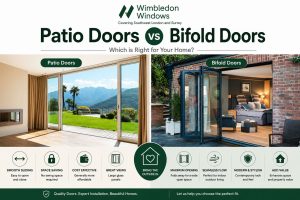
Patio doors usually slide. One or more panels move horizontally along a track, while the remaining panel stays fixed. Bifold doors, by contrast, fold and stack to one or both sides, creating a larger clear opening when fully open.
That difference shapes almost everything else. Sliding patio doors are typically the simpler, cleaner solution when you want generous glass, uninterrupted views, and easy day-to-day operation. Bifold doors are often chosen when the priority is opening up a whole wall and creating a stronger indoor-outdoor feel for entertaining or family living.
Neither is automatically better. A lot depends on the proportions of the opening and what matters most to you once the doors are installed and being used through every season, not just on warm days in July.
How the opening works in practice
If you picture a typical family kitchen extension, patio doors tend to suit homeowners who want a straightforward route to the garden without needing to fold back multiple leaves. You slide a panel, walk through, and close it again with minimal fuss. That ease can make a real difference in busy households, especially where children, pets, or regular garden access are part of daily life.
Bifold doors feel more dramatic. When fully opened, they can turn a dining or kitchen area into a far more open entertaining space. If your priority is hosting, or you want the garden and interior to feel joined together in warmer months, bifolds can be very appealing.
There is a trade-off, though. When bifold panels are stacked back, they sit to the side and take up space. Even neatly folded doors create a visible stack. Patio doors do not do that, which is why they often appeal to homeowners seeking cleaner sightlines and less visual interruption.
Space inside and outside the room
This is one of the most overlooked parts of the decision. Because patio doors slide within their own frame, they do not project into the room or onto the patio. That makes them practical where furniture placement is tight or where you want a dining table, sofa, or kitchen island close to the opening.
Bifold doors also avoid swinging in the way like French doors, but they do need room for the stacked panels. In some layouts that is no issue. In others, particularly where every bit of wall space matters, it can affect how the room works.
Which gives you more glass and better views?
For many South London and Surrey homeowners, glass area is a major part of the appeal. You want more daylight, a better outlook, and a rear elevation that feels lighter and more refined.
Patio doors usually perform very well here. Because the design relies on fewer panels, the frames can look less busy across the width of the opening. That often gives a broader, cleaner view of the garden all year round. If your doors will spend much of the year closed, as they often do in the British climate, that matters.
Bifold doors can still deliver plenty of glass, especially in aluminium, but there will always be more vertical frame lines because the opening is divided into multiple folding leaves. Some homeowners love the architectural rhythm of that look. Others prefer the simpler expanse of glazing that sliding patio doors tend to offer.
Patio doors vs bifold doors for natural light
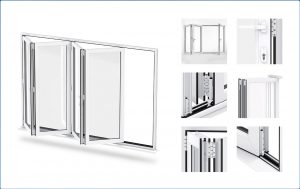
In terms of daylight, both options can make a room brighter than older back doors or smaller glazed openings. The difference is usually less about total light and more about how the doors look when closed. Patio doors often create a calmer glazed wall, while bifolds create a more segmented appearance.
If you are renovating a period property and want a modern upgrade without making the rear elevation feel too visually busy, patio doors can strike that balance very well. If you are building a contemporary extension and want a feature opening, bifolds often feel more statement-led.
Cost, value and where the money goes
Price matters, especially on larger openings. In many cases, patio doors are the more budget-conscious option. They generally involve fewer moving parts, fewer panels, and a simpler operating system. That can make them a very strong choice if you want premium glazing and excellent performance without stretching the project budget further than necessary.
Bifold doors tend to cost more, particularly on wider openings with multiple panels and higher-spec configurations. Part of that extra cost reflects the mechanics involved. Folding systems need precise engineering and accurate installation to operate smoothly and continue doing so over time.
That does not mean bifolds are poor value. If your goal is to maximise the opening itself and create a feature that changes how you use the room, they may be exactly the right investment. But if your priority is elegant glazing, strong thermal performance, and a practical everyday door, patio doors can often deliver more value per pound spent.
Thermal performance, comfort and year-round use
Most homeowners are rightly focused on warmth, draught reduction and energy efficiency. Modern patio and bifold doors can both perform to a high standard when properly specified and professionally installed. Frame material, glazing specification, weather seals and fitting quality all matter more than the headline style alone.
That said, patio doors sometimes have a slight edge in perceived simplicity. With fewer panel junctions and less hardware involved, some homeowners feel more confident in the long-term weather-tightness of a sliding system. Bifolds can still perform excellently, but they depend heavily on precision across multiple moving leaves.
In practical terms, both systems should help create a warmer, quieter, more comfortable room when compared with tired older doors. The key is not choosing the cheapest version. It is choosing a quality system fitted with care.
Security and peace of mind
Security is another area where both options can be strong. Modern locking systems, toughened safety glass, secure frames and expert installation all contribute to peace of mind.
Patio doors are sometimes perceived as the sturdier option because of their simple sliding action and fewer meeting points. Bifold doors, with multiple panels and locks, can appear more complex, though well-made systems are designed with security firmly in mind.
Here again, installation quality is critical. Even the best door on paper will not perform as it should if the fitting is poor. For homeowners investing in a premium upgrade, that is why choosing an experienced installation company matters just as much as selecting the style itself.
Which suits your property style?
This is often where the decision becomes easier. Patio doors suit a wide range of homes, from smart period renovations to contemporary extensions. Their understated look works particularly well where you want the doors to enhance the architecture rather than dominate it.
Bifold doors are often chosen for modern open-plan projects, especially where a wide rear opening is central to the design. They can look excellent in aluminium on newer extensions with clean lines and larger glazed areas.
For traditional homes, the answer depends on the overall scheme. A carefully chosen patio door can feel more restrained and sympathetic. Bifolds can still work, but they usually look best when the wider renovation has a clear contemporary direction.
So, should you choose patio or bifold doors?
If you want broad garden views, easy operation, strong everyday practicality and a more cost-conscious route to a premium finish, patio doors are often the better fit. They are particularly effective where space is at a premium or where the doors will mainly be enjoyed as a glazed feature throughout the year.
If you want the widest possible opening and love the idea of throwing the room fully open for entertaining, bifold doors may suit you better. They come into their own when that opening experience is central to how you want to use the space.
For many homes, the real question is not which door is more impressive in a brochure. It is which one will feel right on a wet Tuesday in February, on a bright spring morning, and during a family gathering in August. At Wimbledon Windows, that is why tailored advice matters. The best result is not the trend-led choice. It is the one that fits your home, your layout and the way you actually live.
A well-chosen door should do more than look good from the garden. It should make the room warmer, calmer, brighter and more enjoyable every single day.
At Wimbledon Windows, we combine premium products with honest advice and exceptional customer service. Whether you’re replacing windows, upgrading your doors, or improving your home’s energy efficiency, our experienced team is ready to help you find the right solution for your property.

- Are Triple Glazed Windows Worth It for Your Home? - 25 July 2026
- Composite Doors: A Better Entrance for Your Home - 23 July 2026
- What Is the Best Glazing for Noise Reduction? - 21 July 2026
Categories: uPVC doors