A Victorian bay in Wimbledon, a period cottage in Surrey and a contemporary rear extension can all need replacement windows, but they rarely need the same frame. The aluminium vs uPVC windows decision is not simply a question of price or appearance. It affects how warm and quiet your rooms feel, how the property looks from the street, and how confidently the windows will perform for years to come.
Both materials can provide excellent energy efficiency, security and low-maintenance living when they are properly specified and professionally installed. The right choice comes down to your property, the size and style of the openings, your priorities and the finish you want to achieve.
Aluminium vs uPVC windows: start with the home
uPVC remains a popular choice for good reason. Modern uPVC windows are thermally efficient, secure, versatile and available in a wide range of colours, woodgrain effects and configurations. For many homeowners replacing like-for-like casement, sash or bay windows, they offer a smart, dependable upgrade that brings immediate relief from draughts, condensation and tired-looking frames.
Aluminium windows have a different character. The material is exceptionally strong, allowing for slimmer frames and larger glazed areas. This makes aluminium especially well suited to modern extensions, wide openings and homes where clean lines, natural light and a refined architectural finish are central to the brief.
Neither option is automatically better. A well-chosen uPVC window can look entirely at home in a traditional South London property, while aluminium can make a striking contribution to a carefully designed renovation. The most successful projects match the frame to the building rather than choosing solely on material.
Frame strength and sightlines
Aluminium is considerably stronger than uPVC, which is its main design advantage. Because the frames can be narrower while supporting substantial glass units, aluminium windows create crisp sightlines and maximise the visible glass. In a kitchen extension overlooking the garden, that extra light and openness can change the feel of the whole room.
This strength is also useful for larger fixed panes, picture windows and wide combinations of opening and fixed sections. If your plans include tall glazing, contemporary corner windows or a statement window beside bifold or sliding doors, aluminium often gives the most elegant result.
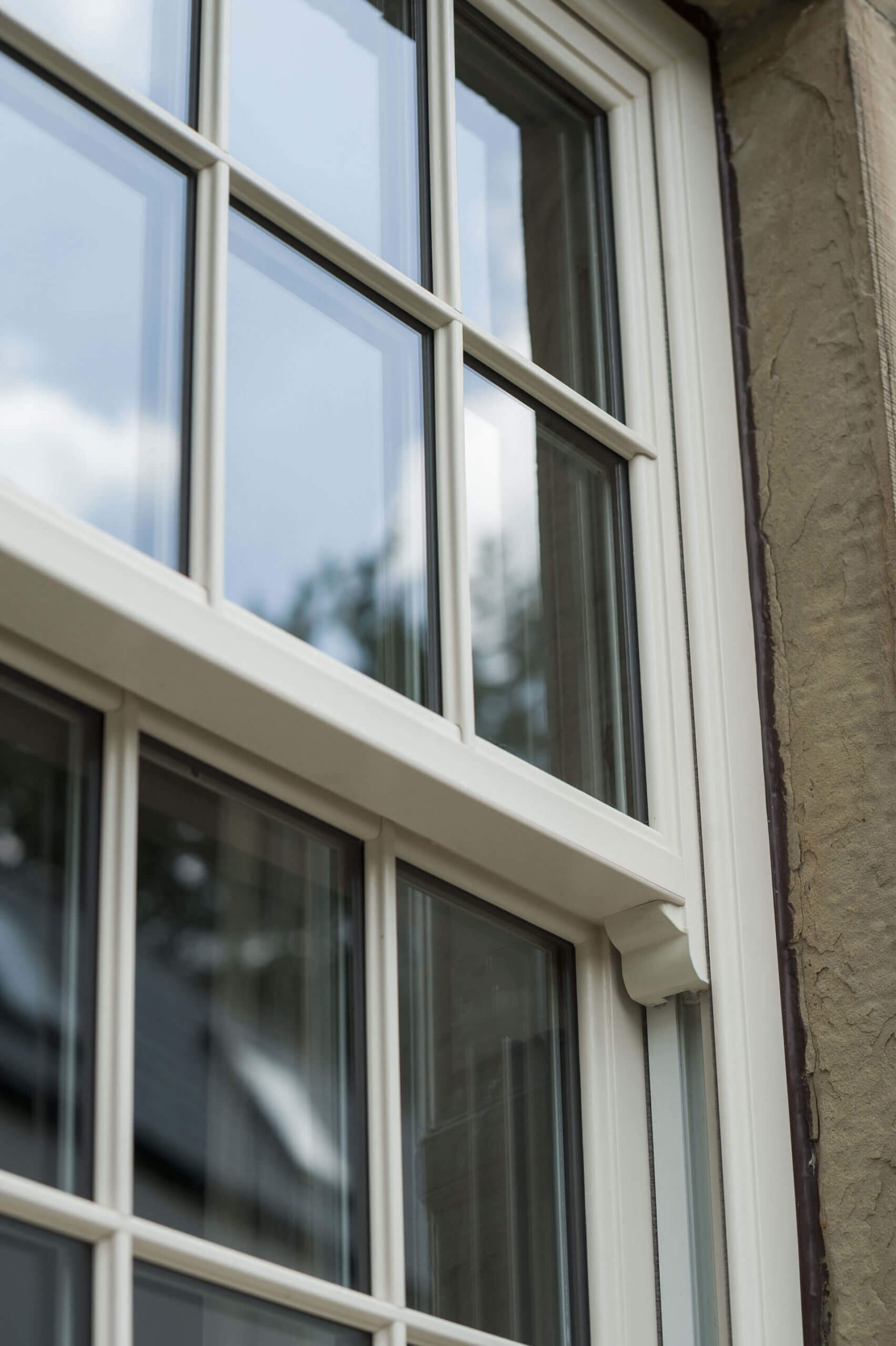
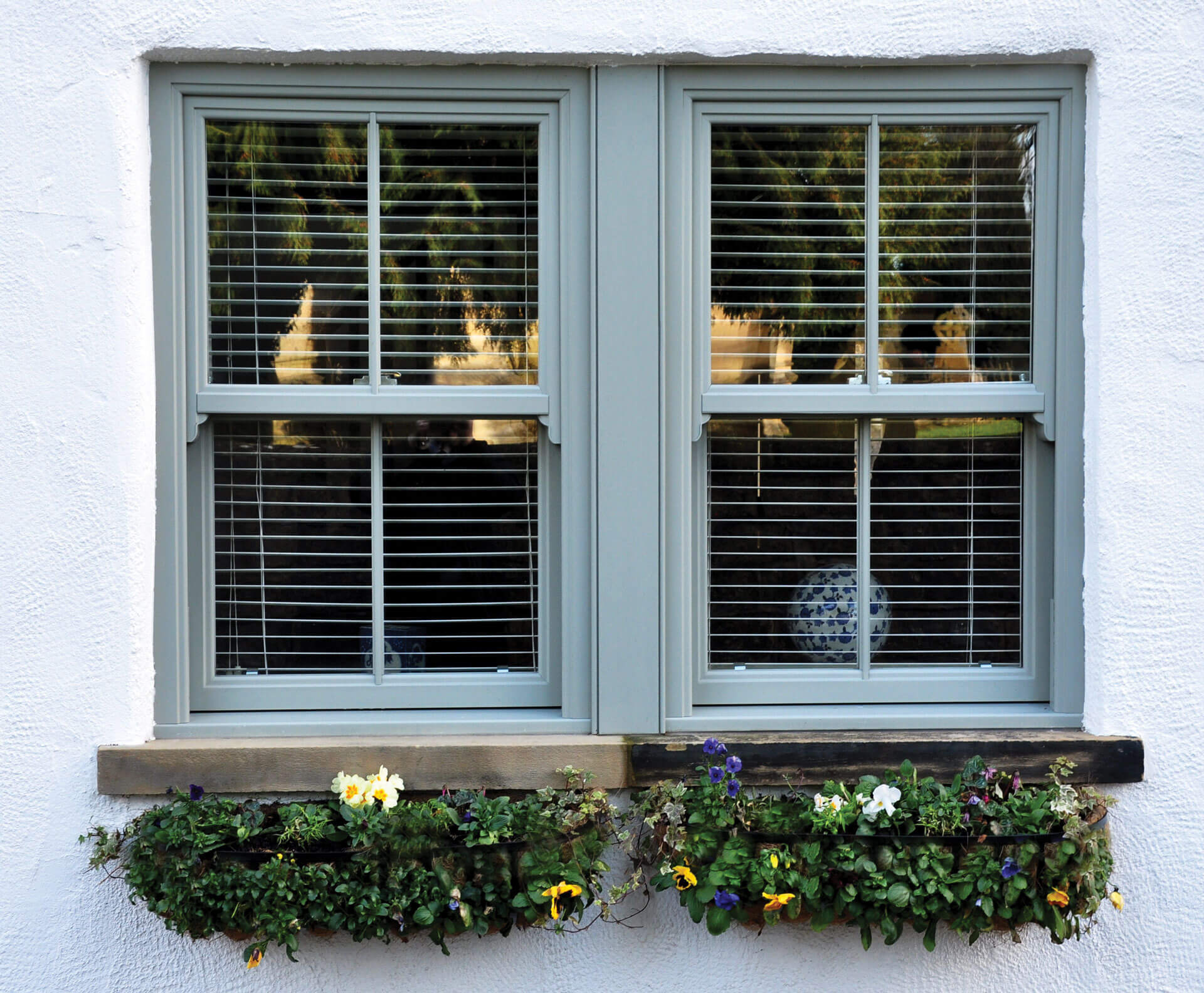
uPVC frames are generally wider, particularly where reinforcement is required, but this should not be mistaken for poor quality. Quality uPVC systems are engineered for everyday residential performance and can suit the proportions of traditional homes beautifully. Flush sash designs, for example, offer a more refined, heritage-inspired appearance than older, bulkier PVC frames.
For a period façade, the visual question is often less about whether the material is aluminium or uPVC and more about details: the frame profile, glazing bars, opening arrangement, colour and hardware. These choices deserve careful attention, particularly where a home sits in a conservation area or has established architectural character.
Warmth, condensation and comfort
Homeowners understandably ask which material is warmer. In practice, the glazing specification, thermal break, seals and quality of installation matter just as much as the frame itself. Both high-performance aluminium and uPVC windows can achieve excellent thermal results with modern double glazing.
uPVC is naturally insulating, which has long made it a strong option for improving comfort and reducing heat loss. Aluminium conducts heat more readily, but modern aluminium window systems use a thermal break within the frame to interrupt that transfer. With the right system and sealed unit, aluminium can provide impressive energy performance without compromising its slim appearance.
If condensation is a concern, replacement windows can help by improving the temperature of the inner glass and frame surfaces. However, condensation also relates to moisture levels and ventilation within the home. Bathrooms, kitchens and bedrooms benefit from sensible ventilation habits alongside efficient new windows. A good survey should consider the whole room, not promise that a new frame alone will solve every source of condensation.
Style, colour and maintenance
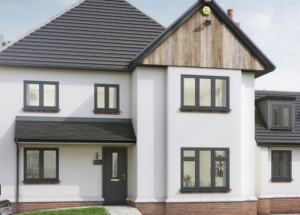
Both aluminium and uPVC are low maintenance compared with timber. Neither needs regular sanding or repainting. Routine cleaning with mild soapy water and periodic checks of hinges, handles and drainage channels are usually enough to keep them looking their best.
Aluminium has a premium, powder-coated finish that is particularly effective in darker shades such as anthracite grey, black and deep heritage colours. Its precise corners and slim profiles suit contemporary architecture, steel-look designs and homes seeking a tailored, high-end finish. Colour durability is a major attraction for exposed elevations that receive strong sun or changing weather.
uPVC offers more choice than many people expect. White remains a practical favourite, but coloured foils and timber-effect finishes can complement everything from Edwardian terraces to rural Surrey homes. A flush sash uPVC window can provide a convincing alternative where the appearance of painted timber is desired without the ongoing maintenance commitment.
There is a useful practical distinction here. Aluminium often makes the strongest visual statement in a modern scheme, while uPVC can offer greater value where several windows need replacing across a family home. The right finish should feel considered, not dictated by a passing trend.
Cost and long-term value
As a general rule, aluminium windows cost more than comparable uPVC windows. The material, manufacturing process, specialist finishes and capacity for larger glazed designs all contribute to the difference. For a whole-house replacement, this can be a significant part of the budget.
That does not mean uPVC is a compromise. It can deliver excellent insulation, security and kerb appeal at a more accessible price point, leaving budget available for other improvements such as a new front door, patio doors or an upgraded conservatory roof.
Aluminium may justify its higher initial cost where design freedom is essential. Its strength can reduce the need for visually heavier frames, and its long-lasting appearance can add to the perceived quality of a renovation. On a high-specification extension or a home with large architectural openings, the difference is often visible every day.
Rather than comparing quotations line by line without context, compare the complete specification. Check the glazing, security hardware, frame finish, opening style, guarantees and installation standard. A lower headline figure can become poor value if the windows do not suit the property or if fitting quality is overlooked.
Security and noise reduction
Modern windows in both materials can be highly secure. Multi-point locking, internal glazing beads, strong hinges and well-designed handles all play a part. The glass specification is equally important, particularly for ground-floor rooms, accessible windows and homes with children.
Noise reduction is another area where glass and installation have a major influence. For homes close to busy South London roads, rail routes or flight paths, an appropriate acoustic glazing specification can make a noticeable difference. Laminated glass, different pane thicknesses and well-fitted frames can help reduce external sound, although no window will remove every noise completely.
Aluminium’s strength may be helpful for larger glazed units, while uPVC can perform extremely well in standard residential openings. In both cases, a precise survey and careful fitting are essential. Gaps around a frame, poor seals or an unsuitable glass unit can undermine the benefits of an otherwise excellent product.
Which window material suits your project?
Choose uPVC when practical value matters most
uPVC is an excellent choice for homeowners seeking a warm, secure, attractive replacement window with strong everyday performance. It is especially effective for traditional casement windows, bays, standard openings and whole-house upgrades where energy efficiency and value need to work together. The range of colours and flush designs means it can be far more characterful than its reputation suggests.
Choose aluminium when design leads the brief
Aluminium is often the natural choice for contemporary extensions, large window openings and projects where slim frames are non-negotiable. It offers a distinctive architectural finish, expansive views and a polished appearance that works beautifully alongside aluminium sliding or bifold doors.
Consider a mixed-material approach
Some properties benefit from both. You may prefer aluminium across a garden-facing extension for its fine sightlines, while choosing sympathetic uPVC or heritage-style windows for the original front elevation. This approach can respect the property’s character while directing investment where it has the greatest visual impact.
The fitting matters as much as the frame
Even the best window system needs expert installation to deliver its promised performance. Accurate measuring, appropriate trims, secure fixings, careful sealing and a tidy finish all affect insulation, weather resistance, operation and appearance.
At Wimbledon Windows, the process begins with understanding how you use your home and what you want the finished spaces to feel like. A considered survey can identify whether aluminium, uPVC or a combination of materials will best suit the architecture, planning considerations and budget.
The most reassuring choice is the one that looks right on day one and continues to bring warmth, quiet and confidence through every season. Before deciding, view real frame samples, consider the proportions of each opening and ask to see the full specification behind the glass. Your windows should make the home feel more like yours, not simply newer.

- Are Triple Glazed Windows Worth It for Your Home? - 25 July 2026
- Composite Doors: A Better Entrance for Your Home - 23 July 2026
- What Is the Best Glazing for Noise Reduction? - 21 July 2026
Categories: Aluminium Windows, uPVC windows