A front door is asked to do far more than make a good first impression. It must keep out wind and rain, help retain warmth, resist daily wear and provide a reassuring barrier between your family and the outside world. For homeowners looking to improve all of those things at once, composite doors offer an exceptional balance of security, comfort and character.
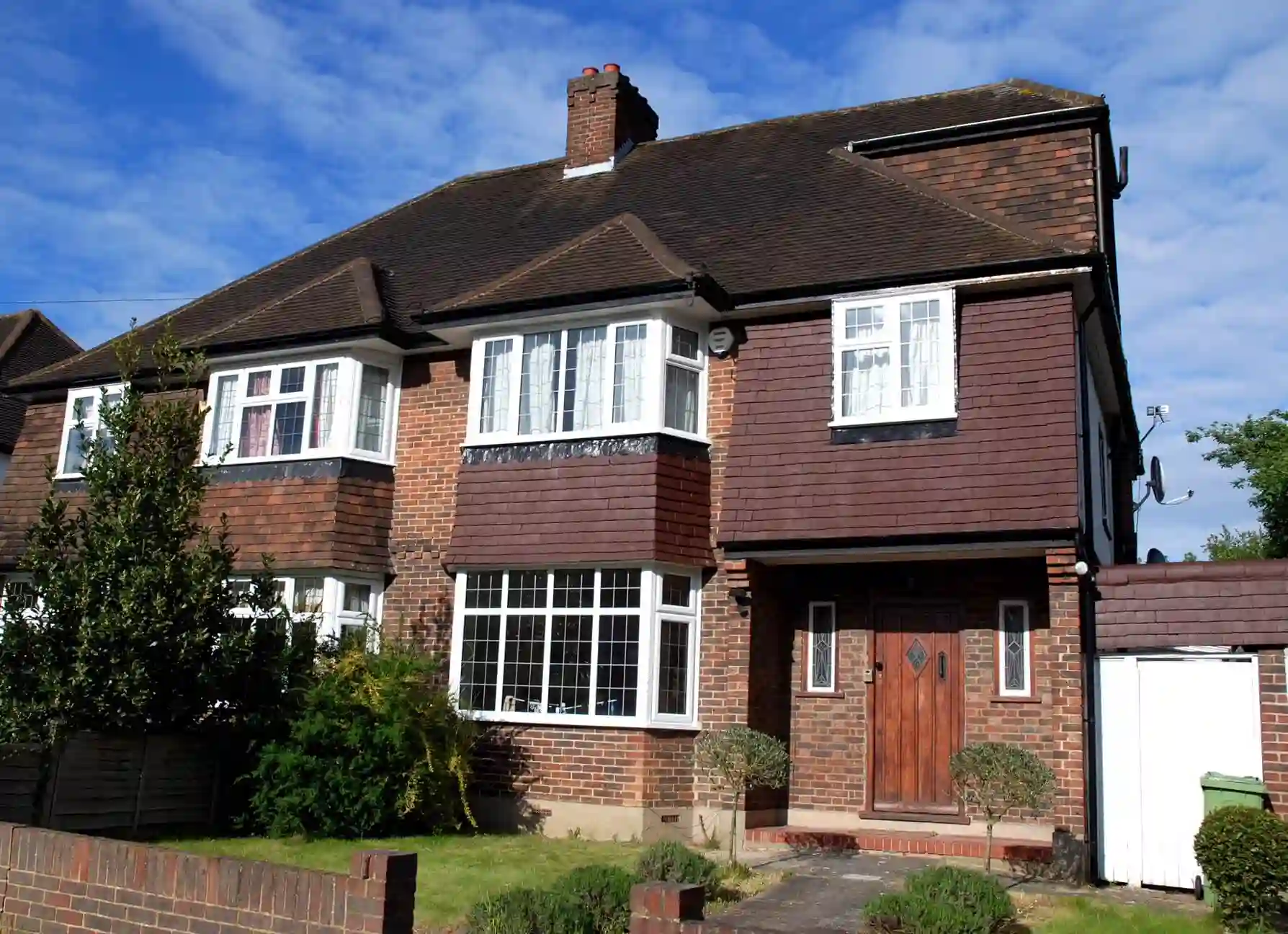
They are particularly well suited to homes across Wimbledon, South London and Surrey, where Victorian and Edwardian façades sit alongside modern extensions and contemporary family homes. With a wide choice of colours, glazing and furniture, a composite door can respect the original character of a property or create a crisp new focal point at the entrance.
Why composite doors are a considered home upgrade
A composite door is built from several materials, chosen for the strengths each one brings. While the precise construction varies by manufacturer, the door typically combines a solid insulated core with durable outer skins, a reinforced frame and high-quality seals. The result is a substantial door that looks refined but works hard every day.
This layered design sets composite doors apart from older timber doors and many basic uPVC alternatives. Timber has enduring appeal, particularly on period homes, but it needs regular care to protect it from the British weather. A quality composite door gives homeowners a traditional or contemporary appearance with considerably less ongoing maintenance.
The difference is often felt as soon as the door closes. A well-specified and correctly fitted door can reduce cold draughts around the hallway, soften outside noise and give the entrance a more solid, secure feel. That matters in a busy household, whether the front door is used for school runs, deliveries, muddy boots or a steady stream of visitors.
What sits behind the finished surface?
The visible finish is only part of the story. A door’s performance depends on its core, frame, locking system, hinges, glazing and, crucially, how precisely it is installed. Choosing by colour alone can lead to disappointment if the specification is not right for the property.
A dense insulated core helps limit heat loss, while weather seals around the frame help prevent air and water from finding their way indoors. Reinforced sections and multipoint locking work together to make forced entry more difficult. The best results come from treating the door, frame and security hardware as one complete system rather than separate choices.
Glazed panels can also be made with safety and privacy in mind. Obscure glass allows daylight into a darker hallway without putting the home on display, while decorative glazing can complement stained-glass details, leaded windows or a more modern architectural scheme. If privacy is a priority, it is worth considering both the view from the pavement and how the glass looks when interior lights are on after dark.
The everyday benefits of a new composite door
The appeal of a composite door is not limited to appearance. For many homeowners, it solves small but persistent frustrations that have become part of daily life: a chilly hall, a rattling letterplate, a door that sticks in damp weather or an entrance that simply no longer feels secure.
Energy efficiency is a strong reason to replace an ageing door. No door can compensate for poor insulation elsewhere in the house, but a properly fitted, insulated entrance door can reduce draughts and help the hall feel more comfortable. This can be especially noticeable in properties with an exposed porch, a north-facing entrance or an older single-glazed panel beside the door.
Security is equally central. A modern composite door can be specified with a multipoint locking system, reinforced construction and secure cylinder options. Homeowners should also consider practical details such as a guarded letterplate, appropriate glazing and secure handles. These features provide peace of mind without making the entrance look overly utilitarian.
Then there is kerb appeal. The front door is one of the few design choices seen by every guest, neighbour and passer-by. A deep heritage green, classic black or rich blue can bring a traditional elevation into focus, while softer greys, clean whites and contemporary hardware suit newer homes. The right design can make a familiar house feel newly cared for before anyone steps inside.
Choosing composite doors that suit your property
The most successful choice begins with the architecture of the home, rather than a trend seen online. A door should feel proportionate to the opening, work with nearby windows and reflect the character of the street where appropriate. This is particularly relevant for conservation areas or properties with distinctive period details.
Style, colour and glazing
For a Victorian or Edwardian home, a traditional panelled design with decorative glazing and carefully chosen door furniture can preserve a sense of authenticity. A simple solid colour often gives the best result, with polished chrome, black or antique-style hardware selected to complement the wider façade.
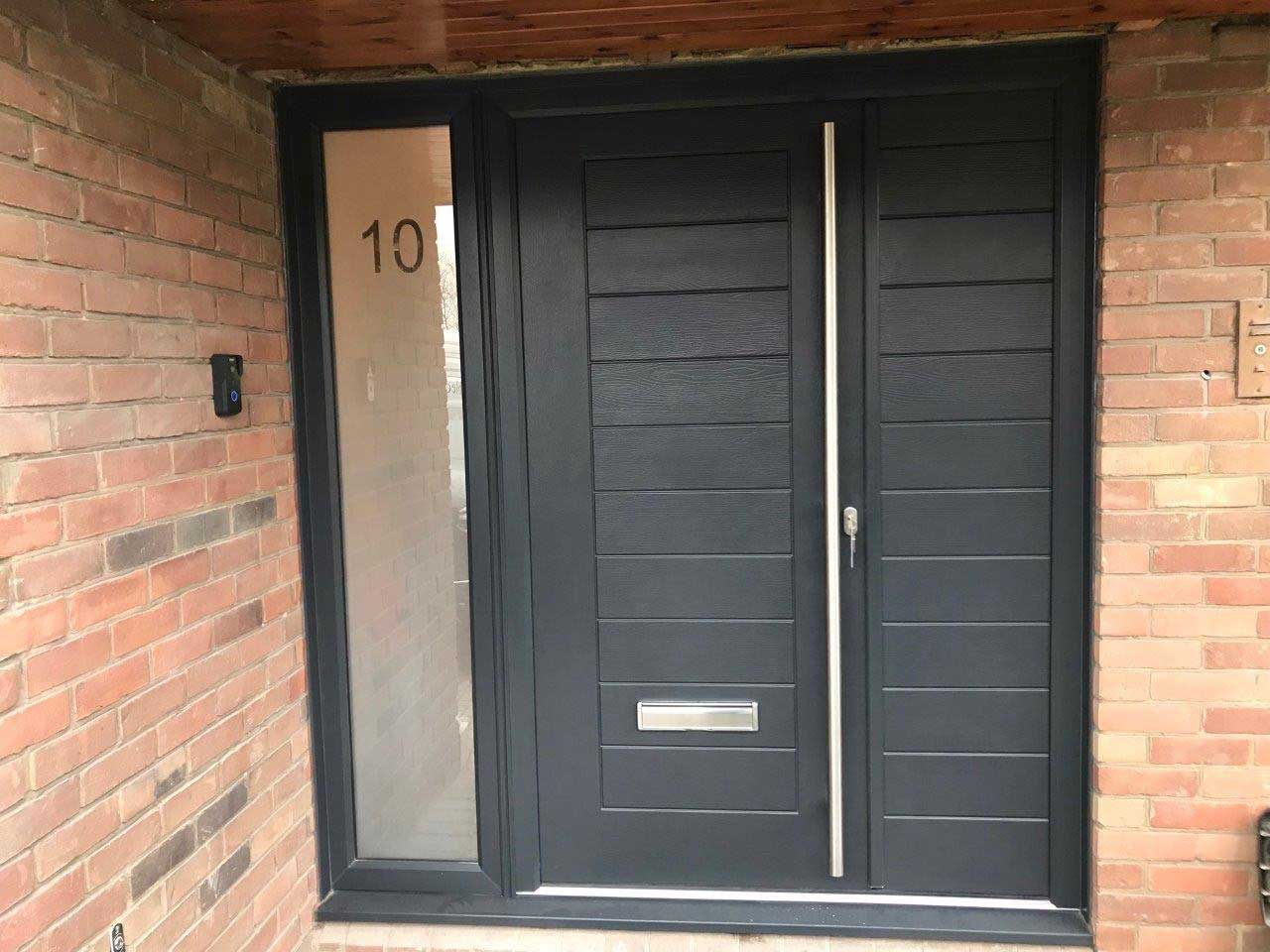
For a contemporary property or rear extension, cleaner lines may be preferable. Minimalist glazing, a wide pull handle or a muted finish can create a more architectural entrance. Darker colours are popular, but they are not the only route to a premium look. A lighter shade can be equally elegant when it works with brickwork, render and window frames.
Glazing should serve the room as well as the door. A small panel may be enough where privacy is paramount, while a larger glazed section can transform a dim entrance hall. Decorative or obscured options let daylight through while keeping the home comfortably private.
Security and thermal performance
Ask about the full specification, including the locking system, cylinder, hinges and glass. It is sensible to choose products that meet recognised security standards, but the right advice will take account of the individual opening and how the door will be used. A busy family entrance may have different requirements from a lightly used side door.
Thermal performance should also be considered alongside the surrounding frame and any adjoining sidelights. If a large glazed side panel is responsible for most of the cold around the entrance, replacing the door alone may not deliver the improvement you expect. A survey should identify the best whole-entrance solution rather than simply the quickest replacement.
The value of a precise survey
Even an excellent door will not perform as intended if it is poorly fitted. Older homes rarely have perfectly square openings, and previous alterations can reveal uneven brickwork, tired thresholds or hidden issues around the existing frame. Accurate measuring and careful preparation are what allow the finished door to close smoothly, seal properly and look right from every angle.
This is where an experienced installer adds genuine value. At Wimbledon Windows, the process can be tailored from initial consultation and product selection through to survey, fitting and aftercare, helping homeowners make confident decisions without managing multiple trades.
Maintenance without the constant upkeep
Composite doors are designed to be low maintenance, not maintenance-free. A gentle clean with warm soapy water is usually enough to keep the surface looking fresh. Avoid abrasive cleaners, solvents and harsh scouring pads, which can damage finishes, glass or hardware.
It is also worth checking the hinges, handles and locking mechanism periodically, particularly after a season of heavy rain or temperature changes. Keeping drainage channels clear and reporting any change in how the door closes will help protect its long-term performance. Small adjustments are easier to address before they become a daily annoyance.
When another door material may be the better choice
Composite doors are a strong all-round option, but they are not automatically right for every home. If a property has strict heritage requirements or original joinery that must be replicated exactly, a carefully made timber door may be the more suitable route. Timber offers exceptional detail and can be repaired over time, provided the owner is comfortable with regular finishing and maintenance.
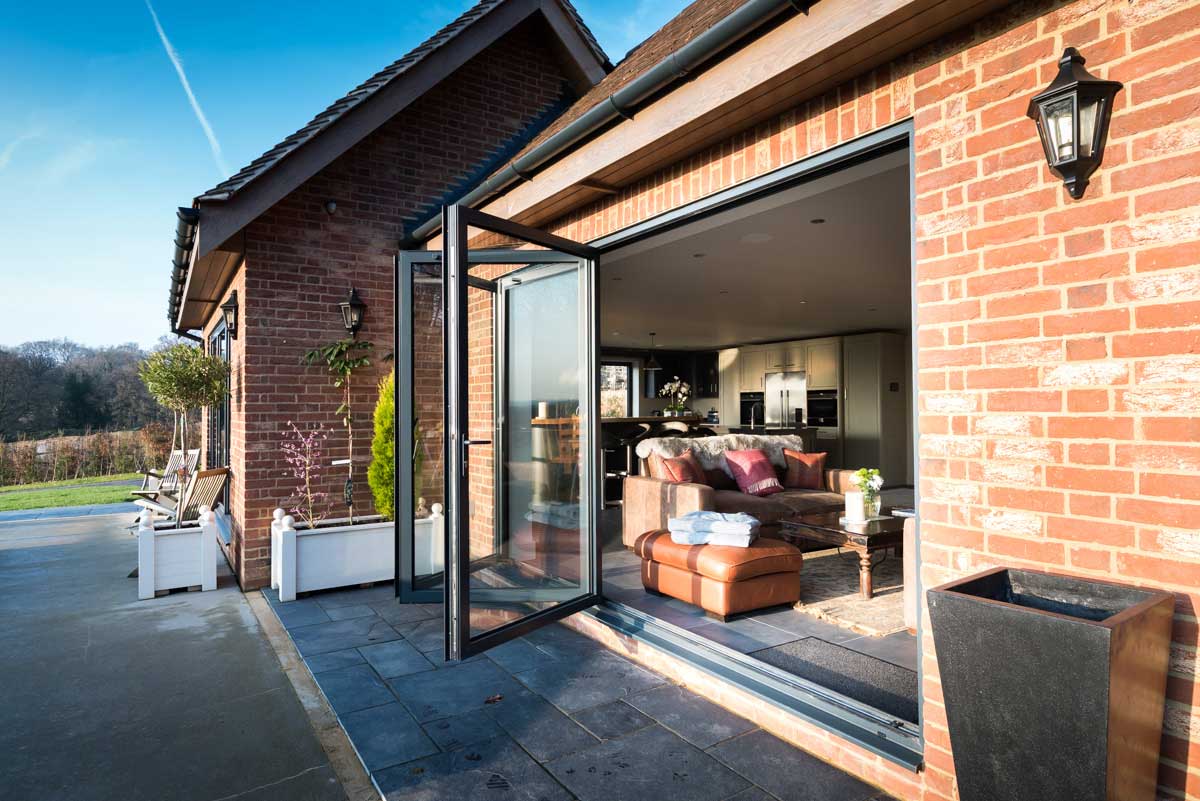
Aluminium is another consideration for very contemporary designs, particularly where slim sightlines or oversized glazed entrance systems are desired. It has a distinct, modern appearance and can be ideal for certain architectural schemes. The best material depends on the property’s style, the entrance layout, planning considerations, desired maintenance level and budget.
A good decision is rarely about buying the most expensive door or copying the latest colour trend. It is about choosing an entrance that feels right every time you come home: warm on a winter evening, quiet when the road is busy, secure when you lock up at night and beautifully in keeping with the home you have worked hard to create.

- Are Triple Glazed Windows Worth It for Your Home? - 25 July 2026
- Composite Doors: A Better Entrance for Your Home - 23 July 2026
- What Is the Best Glazing for Noise Reduction? - 21 July 2026
Categories: Composite Doors in London