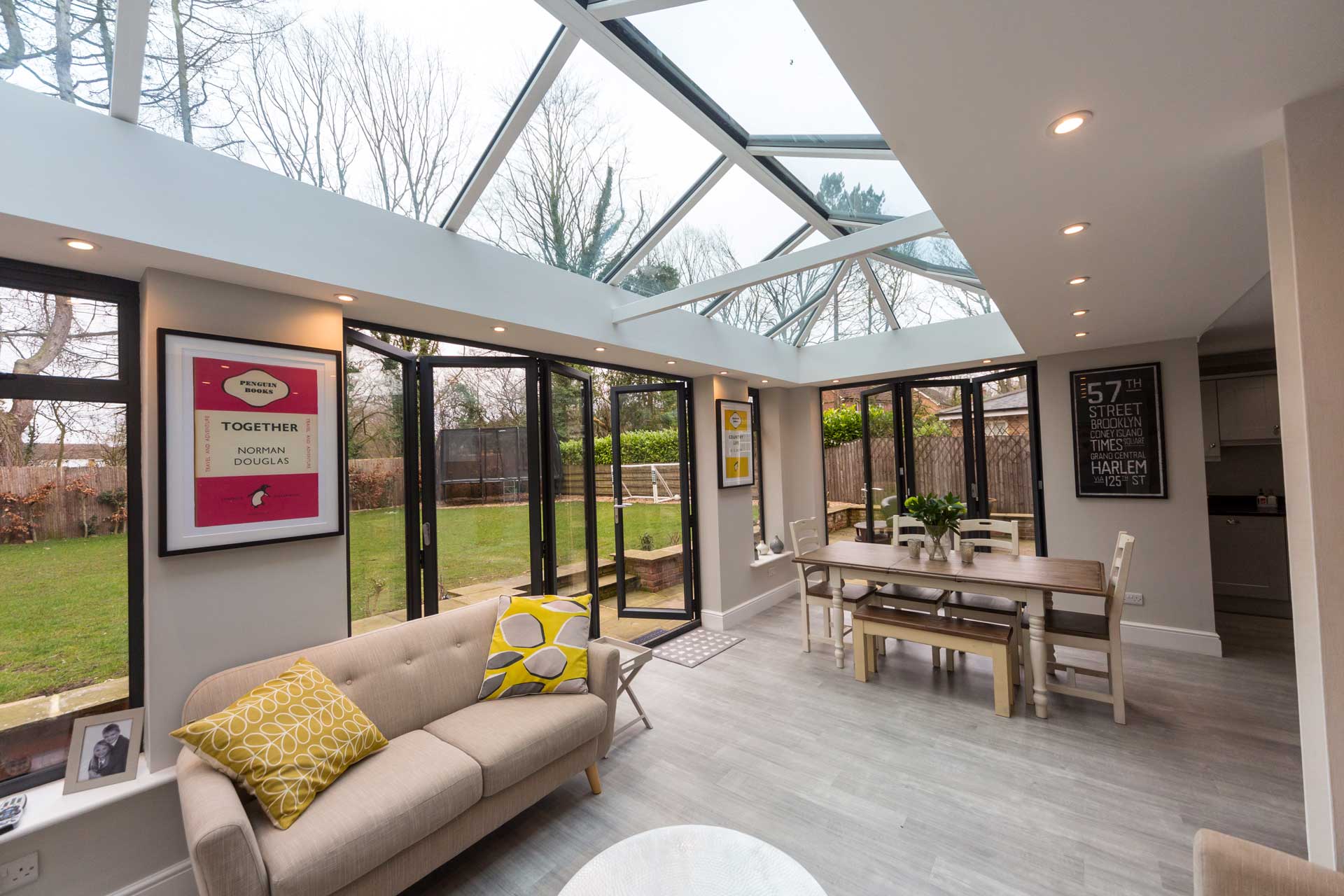
A bright rear extension can change how your home feels day to day. It can give you a calmer breakfast space, a better-connected family room, or simply more light where the house currently feels closed in. But before you get to finishes and furniture, most homeowners hit the same question: what is the orangery or conservatory difference, and which one actually suits the property?
The answer is not just about appearance. It affects how the room performs through the year, how it blends with the house, how much privacy you keep, and how you use the space once the novelty of extra glazing has worn off. For homeowners in Wimbledon, South London and Surrey, where architecture ranges from period terraces to larger detached homes, that distinction matters.
What is the orangery or conservatory difference?
In simple terms, a conservatory is usually more glazed overall, with a lighter structure and a stronger emphasis on glass in both the walls and roof. An orangery tends to be a more substantial extension, usually built with more brickwork or solid elements, larger glazed sections, and a roof design that combines solidity with natural light.
That means a conservatory often feels more like a garden room. An orangery usually feels more like a true extension of the main house.
Neither is automatically better. It depends on what you want from the room, the style of the property, and how you expect the space to perform in winter, summer and everything in between.
How a conservatory typically looks and feels
A conservatory is designed to maximise daylight and garden views. It usually has a high proportion of glazing, slim framing, and a roof that allows plenty of light from above. The overall effect is open, airy and visually connected to the outside.
For many households, that is the appeal. If you want to sit with a view of the garden, create a sun-filled dining area, or add a room that feels separate from the rest of the house in a pleasant way, a conservatory can be a strong choice.
The trade-off is that the same generous glazing that creates brightness also needs careful specification. Older conservatories earned a poor reputation for being too hot in summer and too cold in winter. Modern systems are far more effective when they are designed properly, with high-performance glazing and quality installation, but performance still depends heavily on the roof, frame choice and ventilation.
How an orangery typically looks and feels
An orangery has a more solid, architectural appearance. It often includes brick pillars, more substantial corner details, and a perimeter roof structure with a central glazed lantern or rooflight arrangement. From inside, it tends to feel more grounded and more integrated with the home.
That matters if you want the new room to work as an everyday living area rather than a seasonal space. An orangery can suit open-plan kitchen extensions, family rooms and dining spaces particularly well because it feels less like a separate glazed add-on and more like part of the original house.
It also tends to offer a little more enclosure and privacy. If your neighbours are close by, or your garden is overlooked, that balance of light and solidity can make the space more comfortable to use.
Design difference: glass, brick and roof structure
If you are comparing plans, the biggest visible difference is usually the balance of materials.
A conservatory generally has more glass across the elevation and roof. Its framework is doing more of the visual work, and the overall impression is lighter. This can suit modern homes, rear garden settings and homeowners who want a strong indoor-outdoor feel.
An orangery usually uses more masonry or solid construction at low level and around key structural points. The roof is often more defined, with a central glazed section rather than a fully glazed top. That gives it a more permanent, room-like character and often a more premium appearance.
On a period property, this can be especially important. A well-designed orangery may sit more comfortably against traditional brickwork and established architectural lines. On the other hand, a neatly designed conservatory can still look excellent where the brief is openness, light and garden connection.
Which is warmer and more comfortable?
This is often the real deciding factor.
When homeowners ask about the orangery or conservatory difference, they are usually asking which one will feel better in January and which one will not become uncomfortable in July. The honest answer is that both can perform well if the specification is right, and both can disappoint if corners are cut.
That said, an orangery often has the edge in everyday comfort because there is more solid structure and less overall glazing. That can help regulate temperature and create a room that feels more settled throughout the year.
A conservatory can still be very comfortable, especially with modern energy-efficient glass, insulated roofing options and careful orientation planning. South-facing designs, for example, may need more attention to solar control than a shaded north-facing build. This is where tailored advice matters. A room that looks ideal on paper can feel very different once it is exposed to direct sun or winter wind.
Which suits your home better?
A lot depends on the age and style of the property.
On traditional homes in Wimbledon and surrounding Surrey areas, an orangery often feels more in keeping because it introduces light without looking too lightweight against older brickwork. It can preserve character while still modernising the rear of the home.
On newer properties, a conservatory may suit the architecture perfectly, especially if the aim is clean sightlines, broad glazing and an obvious visual link to the garden. Contemporary aluminium frames can make this look particularly sharp.
Size matters too. On a smaller footprint, a conservatory can stop the extension from feeling too heavy. On a larger rear elevation, an orangery can provide more presence and better proportion.
Cost and value: not just the starting price
In many cases, an orangery will cost more than a conservatory. That is usually down to the more substantial structure, additional building work and a more extension-like specification.
But headline cost only tells part of the story. The better question is what value the room adds to your home life and whether it gives you the kind of space you will genuinely use every day.
If your priority is a bright extra room for reading, relaxing or garden views, a conservatory may offer exactly what you need at a lower price point. If you want a full family space with a more permanent feel, the extra investment in an orangery may make more sense over the long term.
There is also the matter of finish. A premium conservatory can outperform a poorly planned orangery, just as a carefully designed orangery can transform a home far more effectively than a basic extension. Quality of design and installation always matters.
Planning, building regulations and practical considerations
Homeowners often assume one option is straightforward and the other complicated. In reality, the requirements can vary depending on size, structure, layout and how the room connects to the house.
Some projects may fall within permitted development, while others may need planning approval. Building regulations can also apply, particularly where insulation, structural work, doors, heating or roof design come into play. Because orangeries are typically more substantial, they can sometimes involve a different level of technical consideration, but there is no one-size-fits-all rule.
This is why it helps to approach the decision as a full home-improvement project rather than a product purchase. Good advice should take into account your property, your intended use of the room and how the new space will function in real life.
So, should you choose an orangery or a conservatory?
Choose a conservatory if your priority is light, openness and a strong connection to the garden. It suits homeowners who want a space that feels airy and uplifting, and who are drawn to a more glazed design.
Choose an orangery if you want the extension to feel more like part of the main house. It is often the better fit for everyday family use, more traditional architecture and homeowners who want a room with greater solidity and privacy.
At Wimbledon Windows, this is usually where the conversation becomes clearer. Once you look at the property itself, how the sun moves across the garden, and how you want to live in the room, the right option starts to reveal itself.
The best choice is the one that makes the new space feel natural – warm in winter, comfortable in summer, and entirely at home with the rest of your property.
At Wimbledon Windows, we combine premium products with honest advice and exceptional customer service. Whether you’re replacing windows, upgrading your doors, or improving your home’s energy efficiency, our experienced team is ready to help you find the right solution for your property.

- Are Triple Glazed Windows Worth It for Your Home? - 25 July 2026
- Composite Doors: A Better Entrance for Your Home - 23 July 2026
- What Is the Best Glazing for Noise Reduction? - 21 July 2026
Categories: Conservatory
![When Does a Conservatory Become an Extension? [2026 Guide]](https://www.wimbledonwindows.com/wp-content/uploads/2020/06/Conservatory-Prices-New-Malden.jpg)