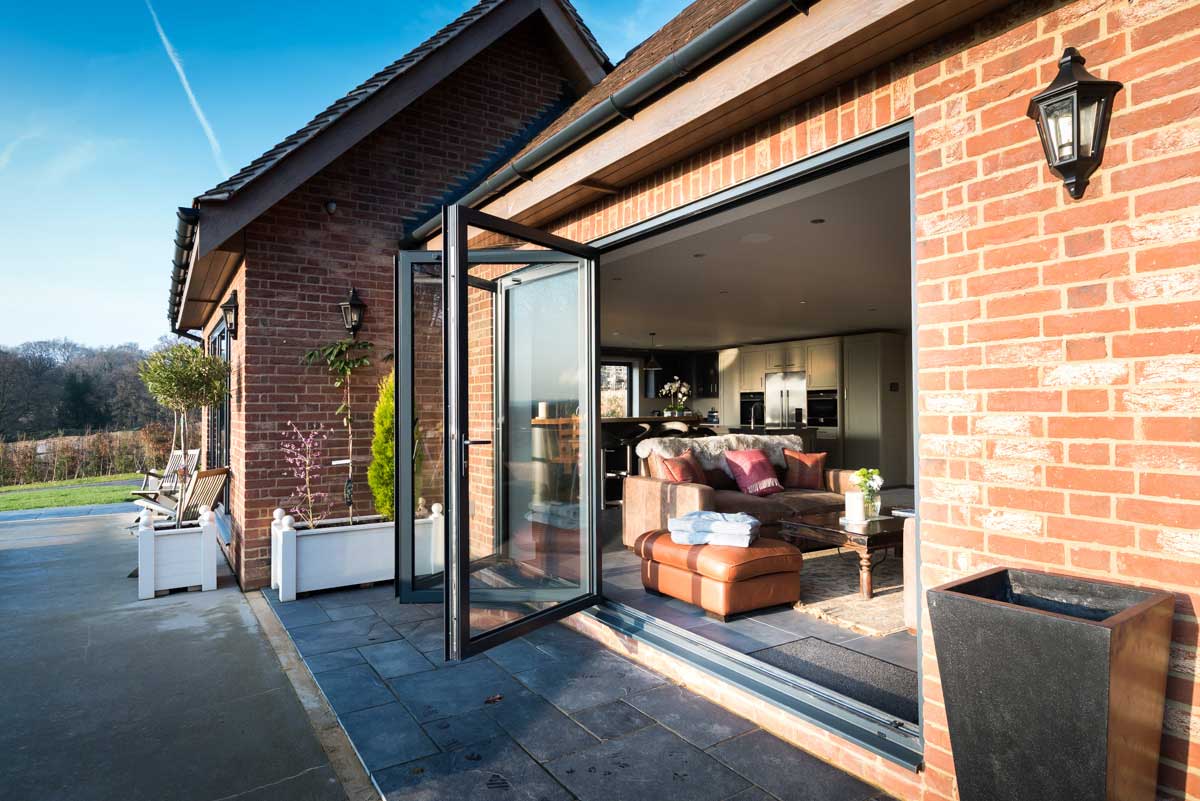
A tight kitchen extension, a compact dining room or a modest garden room can feel far larger than the floorplan suggests when the glazing is right. That is why bifold doors for small spaces are often worth a closer look. Done well, they bring in more light, improve the connection to the garden and give a smaller room a cleaner, more open feel without wasting precious internal space.
The key phrase there is done well. Bifold doors can be a superb choice in a smaller home, but they are not automatically the right answer for every opening. The layout of the room, the width of the aperture, the direction of travel and the frame material all make a real difference to how practical they feel day to day.
Why bifold doors suit smaller rooms
In a compact space, every design decision has to earn its place. You want more light, easier movement and a layout that does not feel crowded. Bifold doors answer those needs rather neatly because the panels stack to one or both sides rather than swinging fully into the room like French doors.
That matters more than many homeowners expect. In a smaller kitchen diner, for example, there may be a table close to the rear doors, a central island, or a sofa in a snug open-plan area. Traditional doors can create awkward clearance zones. Sliding doors avoid that too, of course, but bifolds offer a wider overall opening when fully folded back, which can make a modest extension feel more usable in warmer months.
There is also the visual benefit. Large glazed panels draw the eye outwards, borrowing space from the garden or patio and making the room feel less enclosed. Even when the doors are shut, the extra daylight can change the mood of the room completely.
The trade-offs with bifold doors for small spaces
This is where good advice matters. Bifold doors are not simply about fitting the largest possible expanse of glass. In a smaller room, proportions are especially important.
One consideration is the stacked panels when the doors are open. Although they fold neatly, they still gather at the side and need enough room to sit comfortably without obstructing furniture, walkways or external features. If your opening is very narrow, a bifold may not deliver the elegant effect you have in mind. In some cases, a slimline sliding door or a well-proportioned set of French doors can be the better option.
Frame sightlines are another factor. Older or lower-spec bifolds can look bulky, which is more noticeable in a compact room. Modern aluminium systems tend to suit contemporary homes particularly well because they offer strength with slimmer frames. That means more glass, cleaner lines and a lighter overall appearance.
Then there is everyday access. Many homeowners want to nip into the garden without opening the whole set each time. A traffic door, sometimes called a master door, solves that problem, but the configuration needs careful planning. In a small space, the practicality of that single access point can matter just as much as the look of the full opening.
Getting the configuration right
A well-designed bifold is as much about arrangement as product choice. The number of panels, where they fold, and whether they stack internally or externally all shape how the doors work in real life.
For smaller openings, fewer panels are often better. That keeps the design looking balanced and avoids overly narrow panes. A three-panel or four-panel arrangement is often enough for many homes in Wimbledon, South London and Surrey, especially where homeowners want a neat transition from an extension onto a patio rather than an oversized wall of glass.
You also need to think about which side should hold the stacked panels. If one end of the opening leads straight into a narrow walkway, stacking there may make the room feel pinched. If the outside space has a side return wall, steps or planting close to the opening, the external layout matters too. This is where a proper site survey pays off. On paper, two configurations can look similar. In practice, one may feel noticeably easier to live with.
Threshold choice deserves attention as well. A low threshold can create a smoother link between inside and outside, which is especially useful in smaller spaces where you want the room to flow rather than feel segmented. At the same time, weather performance and floor levels must be considered carefully. The best result is always a balance of looks, comfort and practicality.
Material choice and why it matters
For bifold doors in smaller rooms, aluminium is often the standout option. It is strong, durable and allows for slimmer frames than many alternatives, which helps keep the overall look refined rather than heavy. That can be particularly valuable in compact extensions where every inch of visible glass contributes to a brighter, calmer feel.
uPVC can be a sensible choice in some settings, especially if budget is a stronger concern, but frame thickness may be less forgiving in a smaller opening. Timber can look beautiful in period properties and conservation-sensitive homes, though it requires a different level of maintenance and may not be the first choice for every household.
The right material also affects thermal efficiency and security. A good bifold door should help the room feel warmer in winter, quieter year-round and solidly protected. Premium glazing, quality seals and precise installation all play their part here. Small spaces tend to show up draughts and temperature swings quickly, so performance matters just as much as appearance.
Will bifold doors make a small room look bigger?
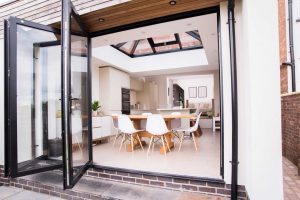
Very often, yes, but not by magic. They work because they improve light, views and the sense of openness. If the room is dark and visually cut off from the garden, replacing a solid wall or dated rear doors with bifolds can make a dramatic difference.
That said, there are limits. If the room is overcrowded with furniture, poor storage or awkward circulation, new doors alone will not fix the whole problem. The best results come when bifolds are part of a wider plan to improve how the room functions. Better sightlines, a lighter colour palette and thoughtful furniture placement all help the space feel more generous.
For period homes, this can be handled with more sensitivity than people sometimes expect. A carefully chosen door style can sit comfortably alongside traditional architecture, particularly at the rear of the property where homeowners want a brighter, more contemporary living space without compromising the character of the front elevation.
When bifolds are the wrong fit
There are situations where another door style deserves serious consideration. If the opening is especially tight, a pair of French doors may give you all the access you need without the complexity of folding panels. If your priority is uninterrupted glass and a minimalist look, sliding doors may feel cleaner.
Room use matters too. In a very compact kitchen where wall space is at a premium and furniture is fixed close to the opening, the stacking zone of a bifold can become inconvenient. Equally, if you mostly want light and garden views rather than a fully open corner of the house, a different solution may serve you better.
A reliable installer should be honest about that. The best advice is not about pushing one product into every setting. It is about recommending the right one for the property, the household and the way the room is actually used.
What to look for before you buy
In smaller homes, details have a habit of becoming big issues if they are overlooked. Smooth operation is essential because the doors will be used regularly and any stiffness or misalignment becomes frustrating very quickly. Sightlines should feel elegant, not bulky. Security should be built in, not treated as an extra. And the finish needs to complement the room rather than dominate it.
Just as important is installation quality. Even an excellent door system can disappoint if the fitting is poor. Accurate measuring, square frames, careful adjustment and neat finishing all affect how the doors perform over time. That is one reason many homeowners prefer working with a specialist installer who manages the process from survey through to aftercare. With a product like this, craftsmanship is not a luxury. It is part of the result.
For homeowners considering bifold doors for small spaces, the smartest approach is to start with how you want the room to feel. Brighter, calmer, more connected, easier to move around. Once those priorities are clear, the right configuration becomes easier to identify. A well-chosen bifold door should not just fit the opening. It should make the whole room work harder and feel better every day.
At Wimbledon Windows, we combine premium products with honest advice and exceptional customer service. Whether you’re replacing windows, upgrading your doors, or improving your home’s energy efficiency, our experienced team is ready to help you find the right solution for your property.

- Are Triple Glazed Windows Worth It for Your Home? - 25 July 2026
- Composite Doors: A Better Entrance for Your Home - 23 July 2026
- What Is the Best Glazing for Noise Reduction? - 21 July 2026
Categories: Bi-fold Doors London