If you’re looking at new windows for your home, you’ll probably come across casement windows. They’re one of the most popular window styles in the UK, thanks to their simple design, excellent ventilation, and everyday versatility. Modern designs take performance even further, combining timeless aesthetics with outstanding thermal insulation and high-security locking systems to keep your living space warm, quiet, and well-protected.
Whether you own a classic period property or a sleek contemporary home, casement windows can be tailored in various materials and finishes to complement virtually any architectural style. But what exactly are casement windows, what types are available, and could they be right for your home? Here’s what you need to know.
What Are Casement Windows?
Casement windows are windows that are attached to their frame with hinges and open outwards, similar to a door.
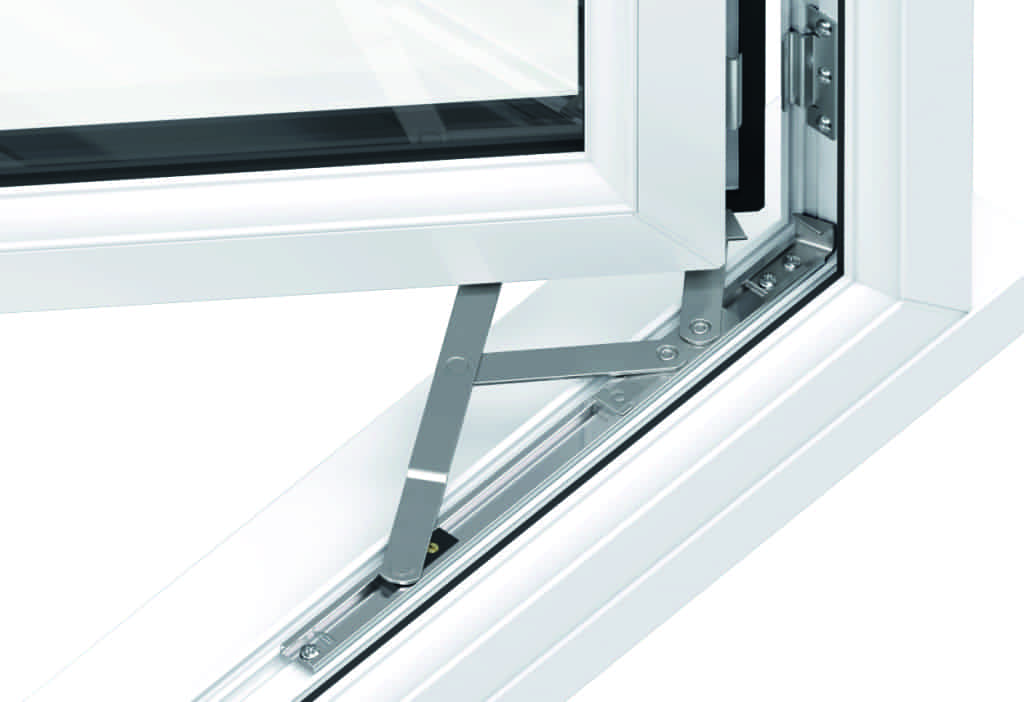
The hinges can be positioned on the side, top or bottom of the frame, depending on the style. Unlike sash windows, which slide vertically or horizontally, casement windows open outwards to provide ventilation.
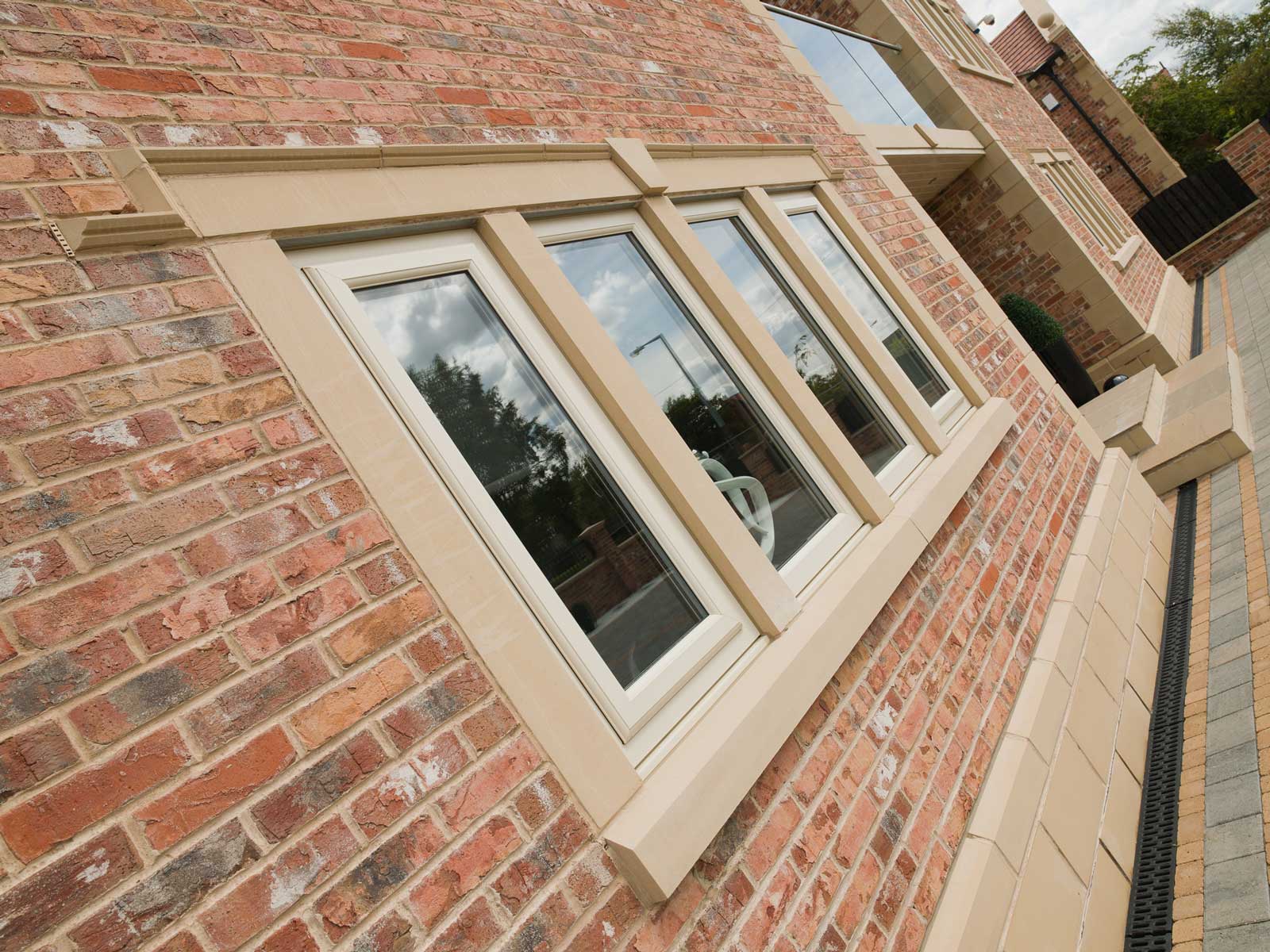
One of their biggest advantages is their versatility. They can suit everything from traditional Victorian and Edwardian properties to modern homes, and can be installed individually or as part of larger bay and bow window arrangements.
You can see the full range of casement windows from Wimbledon Windows to explore the available options.
How Do Casement Windows Work?
Casement windows are simple to operate. A handle controls the locking mechanism and allows the opening section of the window to swing outwards.
When open, the window allows fresh air into your home. When closed, the sash sits tightly against the frame seals, helping to keep out draughts, rain and cold air.
Modern casement windows can also feature multi-point locking systems, helping to provide a secure fit when the window is closed.
What Are Casement Windows Made From?
Casement windows are available in several materials, with each offering different benefits.
- uPVC: A popular choice for UK homes, uPVC is durable, low maintenance and generally more affordable than other materials.
- Aluminium: Strong and lightweight, aluminium allows for slimmer frames and larger areas of glass, making it particularly suited to contemporary properties.
- Timber: Timber windows offer a traditional appearance and natural warmth, making them a popular choice for period properties.
At Wimbledon Windows, we supply UK-manufactured windows using uPVC, aluminium and timber profiles. You can find out more about the different options in our guide to double glazed windows in London.
Types of Casement Windows
There isn’t just one style of casement window. Different configurations can be used depending on the look you want and how you need the window to operate.
Side-Hung Casement Windows
This is the most familiar type of casement window. Hinges are fitted to one side, allowing the window to open outwards. They’re a practical choice for most rooms and can provide plenty of ventilation.
Top-Hung Casement Windows
Also known as awning windows, these are hinged at the top and open outwards from the bottom. They can provide ventilation while offering some protection from light rain.
Bottom-Hung Casement Windows
These windows are hinged at the bottom and generally open inwards. They’re less common in typical residential applications but can be useful for particular requirements.
French Casement Windows
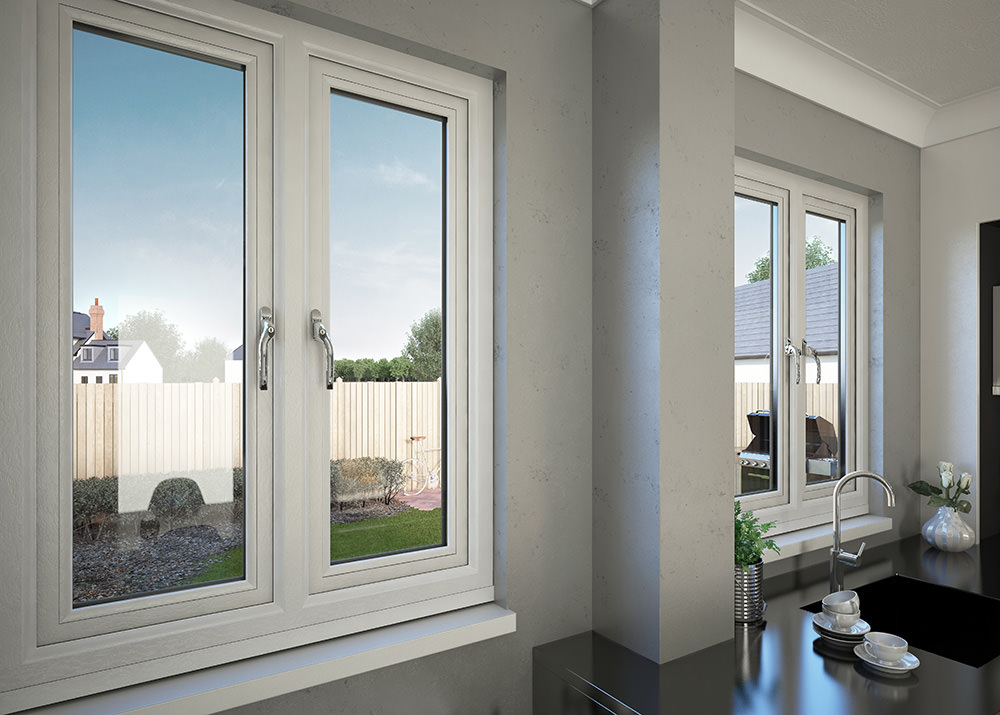
French casement windows have two opening sections that meet in the middle. Because there is no central mullion, opening both sides creates a wide, unobstructed opening.
They’re a good option when you want to maximise ventilation and natural light.
Flush Casement Windows
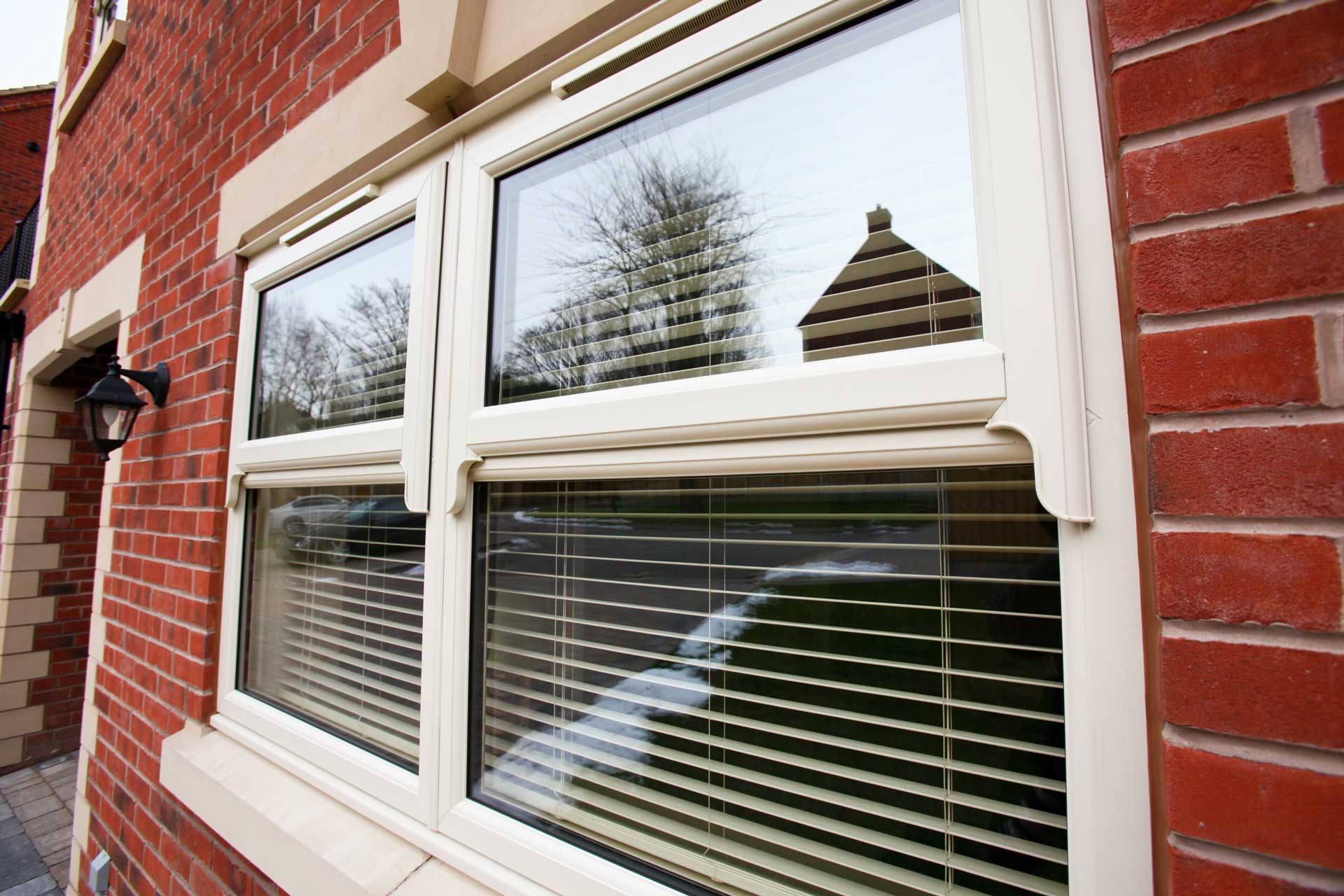
With flush casement windows, the opening sash sits level with the frame when closed. This gives the window a clean, traditional appearance and can work particularly well on period-style properties.
If this style appeals to you, take a look at flush casement windows from Wimbledon Windows for more information.
Benefits of Casement Windows
So, why are casement windows so popular with UK homeowners?
Good Thermal Performance
Modern casement windows are designed to help reduce heat loss through insulated frames, quality glazing and effective weather seals.
Wimbledon Windows’ casement systems feature a multi-chambered profile and weather-sealing gaskets, with specifications available that achieve up to an A+12 Window Energy Rating.
Security
Security is another important consideration when choosing new windows. Casement windows can be fitted with locking systems that secure the sash at multiple points around the frame.
Wimbledon Windows’ casement systems feature a high-security shootbolt locking system, designed to provide added protection for your home.
Plenty of Ventilation
Because casement windows open outwards, they can provide excellent ventilation when opened. This can be particularly useful in kitchens, bedrooms and other rooms where good airflow is important.
Their slim sightlines can also maximise the visible glass area, helping to bring more natural light into your rooms.
Flexible Design
Casement windows can be customised in a variety of ways. You can choose from different colours, finishes, glazing options and hardware to create a look that complements your home.
Easy to Maintain
Modern casement windows are relatively low maintenance. Regular cleaning and occasional checks of the hinges, handles and locking mechanisms can help keep them operating smoothly.
How Much Do Casement Windows Cost?
There isn’t a single price for casement windows. The final cost depends on your property, the size and number of windows and the specification you choose.
Some of the main factors include:
- Material: uPVC is generally more affordable, while aluminium and timber can cost more.
- Size: Larger windows require more materials and may involve more complex installation.
- Glazing: Your choice of double glazing, triple glazing, acoustic glass or other specialist glazing will affect the price.
- Colour and finish: Bespoke colours and woodgrain finishes can change the overall cost.
- Installation: Access and any additional work required can affect installation costs.
For an accurate price based on your home, you can contact Wimbledon Windows or request a bespoke quotation.
How to Clean and Maintain Casement Windows
Looking after casement windows is straightforward.
Clean the glass: Use warm water with mild detergent or a suitable glass cleaner and a soft cloth.
Clean the frames: uPVC and aluminium frames can generally be cleaned with warm water and mild household detergent. Avoid abrasive products that could damage the finish.
Keep drainage channels clear: Remove dirt and debris from the bottom of the frame and drainage areas to help water drain properly.
Check the hardware: Make sure the handles, hinges and locking points are working smoothly. Follow the manufacturer’s guidance when lubricating moving parts.
If a window becomes difficult to open or close, don’t force it. It may simply need adjustment or maintenance.
Why Choose Wimbledon Windows?
At Wimbledon Windows, we’re a family-run business with more than 30 years of experience supplying and installing windows across Wimbledon, South West London and Surrey.
We’re Which? Trusted Traders accredited and work with trusted manufacturers to provide quality windows in a range of styles and materials.
Our approach is simple: provide honest advice, quality products and professional installation, without making the process unnecessarily complicated.
Are Casement Windows Right for Your Home?
Casement windows offer a practical combination of thermal performance, security, ventilation and flexible design, making them a popular option for many UK homes.
With different materials, configurations and finishes available, they can work well in both traditional and modern properties.
If you’re considering casement windows in Wimbledon, the team at Wimbledon Windows can help you explore your options.
Contact Wimbledon Windows to arrange a consultation or discuss your requirements.

- Casement Windows: What Are They and Are They Right for Your Home? - 17 September 2026
- Secondary Glazing vs Double Glazing: Which Is Better? - 20 August 2026
Categories: Uncategorised