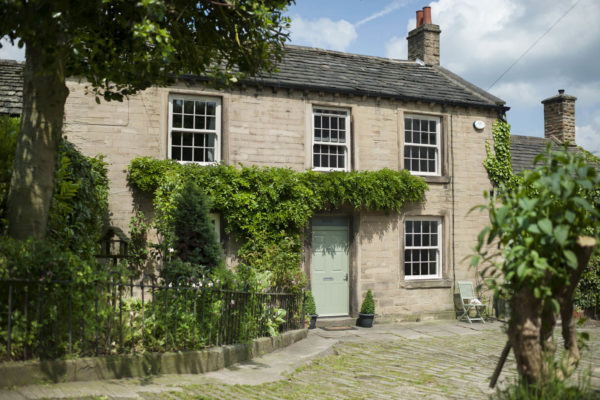
Replacing your windows can improve your home’s warmth, security, ventilation and appearance. Before choosing your frames, glazing and finishes, however, it is important to understand how the installation will comply with Building Regulations.
FENSA is a term you will often come across when researching replacement windows and doors. But what does it actually mean, why is a FENSA certificate important, and do all replacement windows need one?
In this guide, Wimbledon Windows explains everything homeowners need to know about FENSA before starting a window replacement project.

What Does FENSA Stand For?
FENSA stands for the Fenestration Self Assessment Scheme. It is a government-authorised Competent Person Scheme that monitors compliance with Building Regulations for replacement windows and doors in existing homes across England and Wales.
FENSA-registered installers can self-certify that eligible installation work complies with the relevant Building Regulations. This means homeowners do not normally need to arrange a separate Building Control inspection for work covered by the scheme.
FENSA also carries out assessments and inspections to help ensure registered businesses maintain the required standards.
The scheme covers eligible replacement external windows, doors, roof windows and rooflights in existing residential properties. However, there are certain restrictions. For example, the work must generally be carried out within the property’s existing footprint, without changing the use or size of the rooms.
FENSA does not normally cover installations in new builds, extensions, new conservatories or commercial properties. These projects may need to follow a different Building Regulations approval process.
Why Is a FENSA Certificate Important?
A FENSA certificate provides evidence that eligible replacement windows or doors have been installed by a registered business and that the work has been recorded as compliant with the relevant Building Regulations.
These regulations cover several important aspects of window installation, including:
- Thermal performance: Replacement windows must meet applicable energy efficiency requirements.
- Ventilation: Suitable ventilation must be maintained to help provide adequate airflow.
- Safety glazing: Appropriate glass must be used in locations where there is an increased risk of injury.
- Structural requirements: The installation must meet relevant structural safety requirements.
- Means of escape: Where applicable, windows must meet requirements for emergency escape.
The purpose of these regulations is to ensure replacement windows are not only attractive but also safe, energy efficient and suitable for the property.
A FENSA certificate can also be important when selling your home. During the conveyancing process, a buyer’s solicitor may request evidence that replacement windows comply with Building Regulations. Having the correct paperwork available can help avoid additional enquiries and potential delays.
It is therefore worth keeping your FENSA certificate alongside your other important property documents.
If you have misplaced your original certificate, you can request a replacement directly through the FENSA certificate service.

Is a FENSA Certificate the Same as a Guarantee?
No. A FENSA certificate and a product or installation guarantee serve different purposes.
A FENSA certificate provides evidence of Building Regulations compliance and registration of eligible replacement installation work.
A product or installation guarantee covers specified faults or problems with the products or workmanship, subject to the terms and conditions of the guarantee.
Some FENSA installations also come with an insurance-backed guarantee. This is separate from the FENSA certificate and is designed to provide additional protection if the installing company ceases trading, subject to the policy terms.
Before agreeing to a window installation, ask your installer which guarantees are included, how long they last and what they cover. Keep your contract, invoice, guarantee documents and FENSA certificate together for future reference.
Do All Replacement Windows Need FENSA Approval?
Replacement windows must comply with the relevant Building Regulations in England and Wales, but FENSA is not the only way to demonstrate compliance.
You can also choose an installer registered with another authorised Competent Person Scheme, such as CERTASS or another approved provider covering the relevant work.
Alternatively, if you use an installer who is not registered with a suitable scheme, you will generally need to arrange Building Regulations approval through the appropriate Building Control body. This may involve an application, inspections and additional fees.
It is important to establish how your installation will be certified before work begins. Ask your installer which scheme they belong to and what documentation you will receive once the project is complete.
What About Listed Buildings and Conservation Areas?
FENSA certification does not replace planning permission or listed building consent.
If your home is a listed property or located within a conservation area, additional restrictions may apply to replacement windows. These can relate to the window’s appearance, materials, design and glazing.
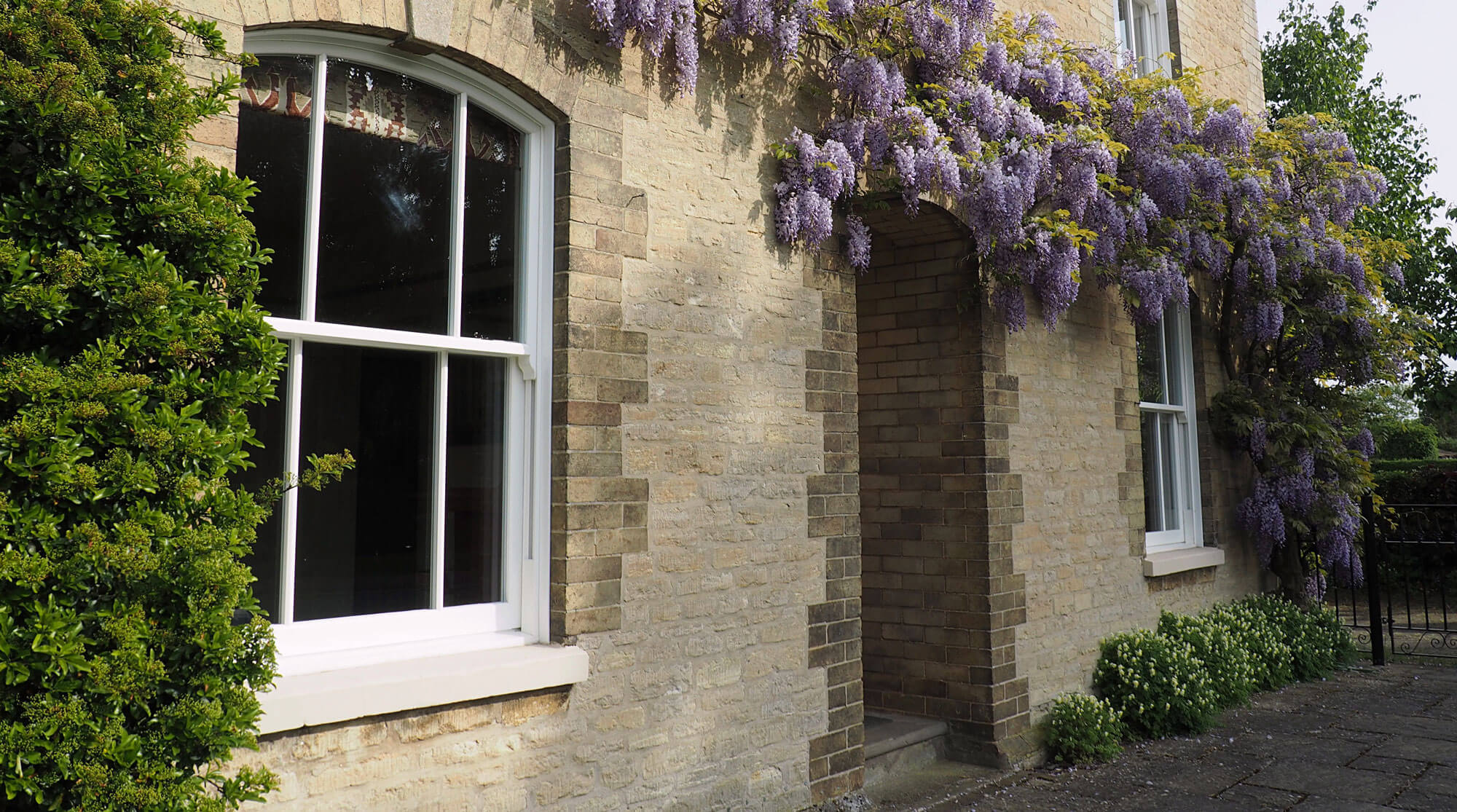
For example, you may need permission before replacing traditional timber sash windows with a different style or material.
Always check with your local planning authority before arranging work if your property is listed or subject to conservation area restrictions. This will help you understand which permissions may be required.
Choosing Your New Windows
Understanding FENSA is an important part of planning your replacement windows, but compliance is only one consideration. The right windows should also complement your property, suit your everyday requirements and provide the performance you expect.
At Wimbledon Windows, we offer a range of window materials and styles to suit different homes and preferences.
These include:
- uPVC windows: A popular, low-maintenance option offering good thermal performance and a choice of colours and finishes. Explore our uPVC windows.
- Aluminium windows: A contemporary option with slim sightlines, making them particularly suitable for modern designs. Discover our aluminium windows.
- Timber windows: A traditional choice that can complement period properties and homes where natural materials are preferred. View our timber windows.
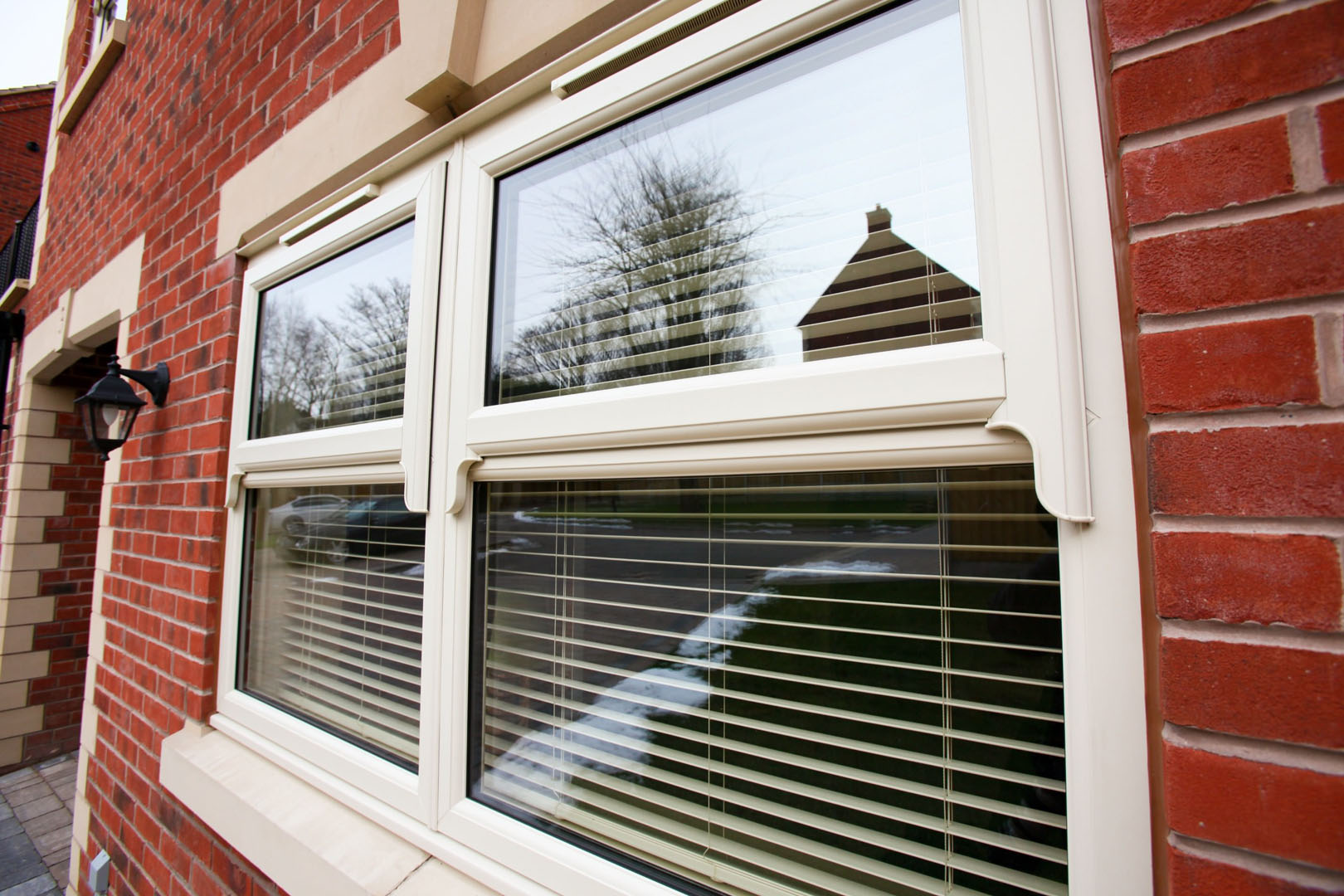
You can also choose from different opening styles, including casement windows, sliding sash windows and tilt and turn windows.
When selecting your new windows, it is worth considering glazing, ventilation, security, energy efficiency, colours and finishes. Our team can talk you through the available options and help you find a solution that suits your home.
Speak to Wimbledon Windows
Replacing your windows should be a straightforward and rewarding home improvement project. Taking the time to understand FENSA certification, check which Building Regulations apply and confirm the paperwork you will receive can make the process much easier.
At Wimbledon Windows, we are experienced in helping homeowners across Wimbledon, South West London and Surrey with their window and door requirements. We can discuss your ideas, explain the available options and help you plan your installation.
If you are considering new windows for your home, contact Wimbledon Windows to speak to our team or request an online quote.

- What Is FENSA? Everything You Need to Know Before Replacing Your Windows - 3 November 2026
Categories: Uncategorised