If your home feels cold, draughty or noisy, upgrading your windows can make a noticeable difference. But should you choose secondary glazing or double glazing?
Both options can improve insulation, reduce heat loss and make your home more comfortable, but they work differently. Double glazing usually involves replacing your existing windows, while secondary glazing adds an extra pane inside your existing windows.
For modern homes, double glazing may be the obvious choice. However, secondary glazing can be particularly useful for period properties, sash windows, listed buildings and conservation areas, where retaining the original windows is important.
This guide compares secondary glazing and double glazing, including energy efficiency, noise reduction, cost, security and suitability for different properties.
What Is Secondary Glazing?
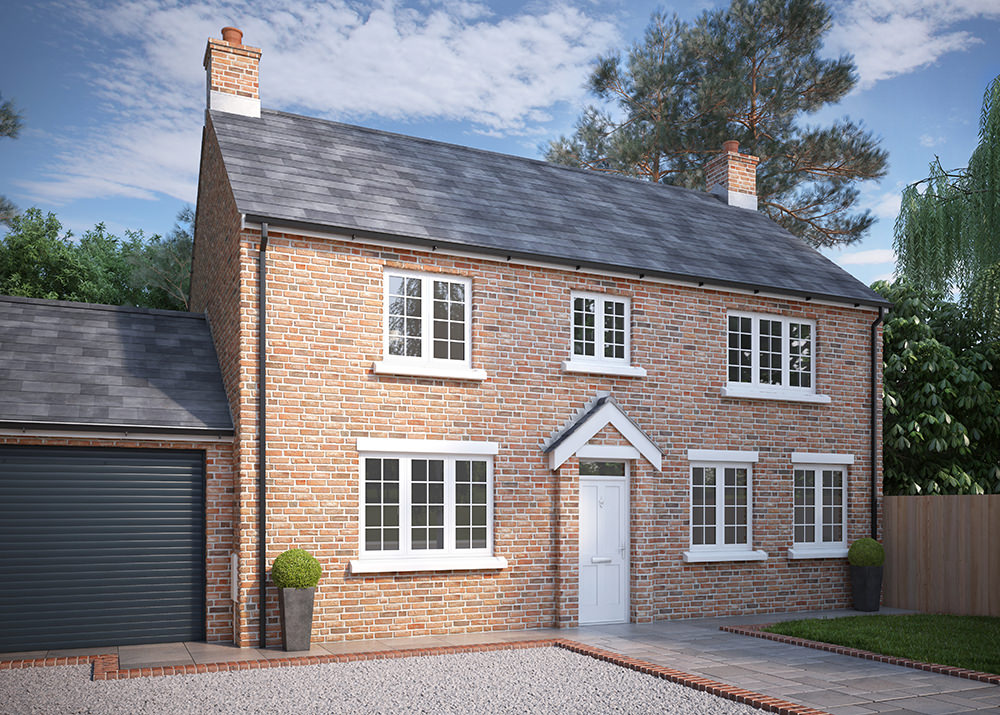
Secondary glazing is an additional glazed panel fitted to the inside of an existing window. The original window remains in place, creating an insulating gap between the two layers.
It can be installed behind many types of existing windows, including:
- Timber sash windows
- Timber casement windows
- Victorian and Edwardian windows
- Georgian windows
- Older single glazed windows
One of the main benefits is that you can improve window performance without replacing the original windows. This makes secondary glazing particularly attractive for period properties where maintaining the external appearance of the building is important.
What Is Double Glazing?
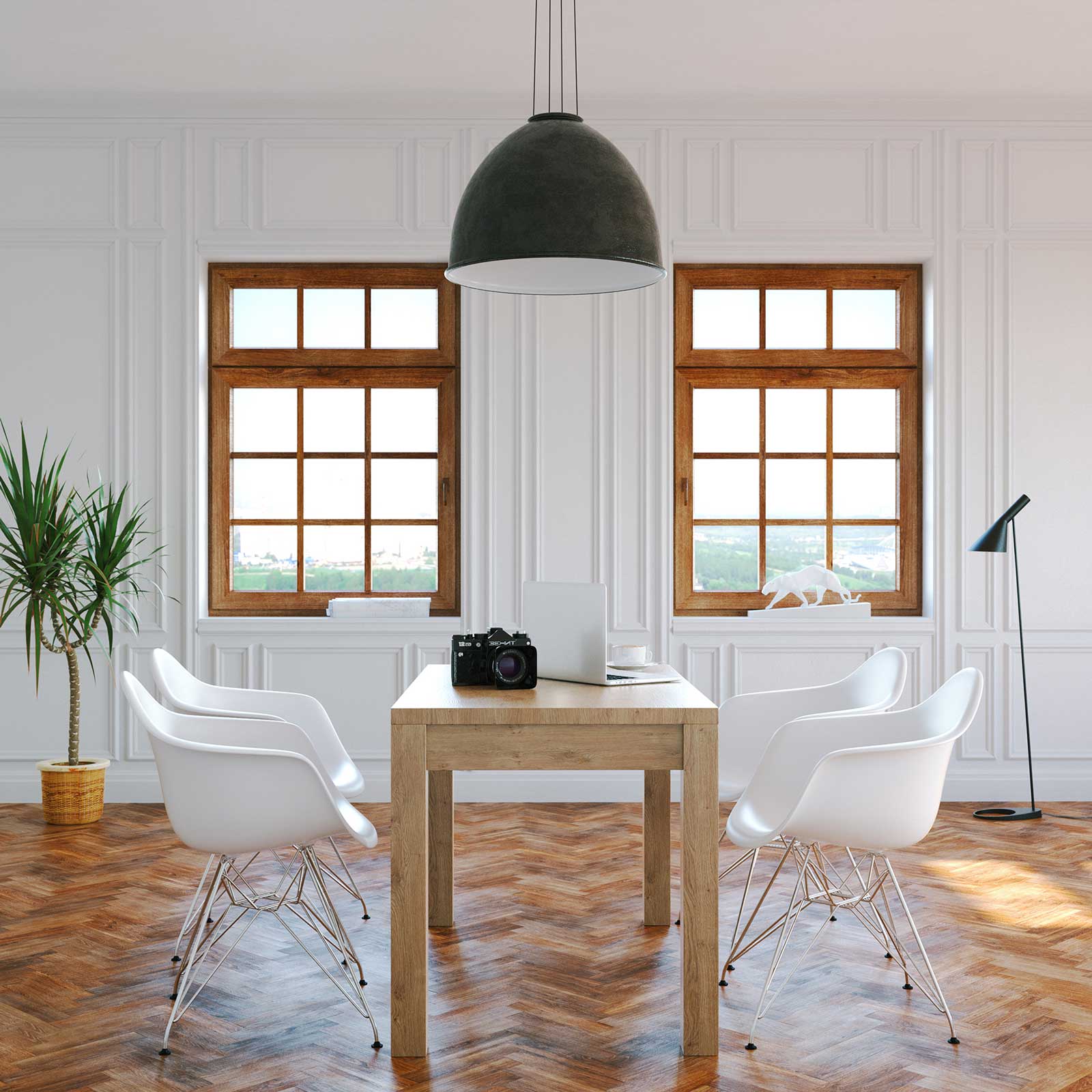
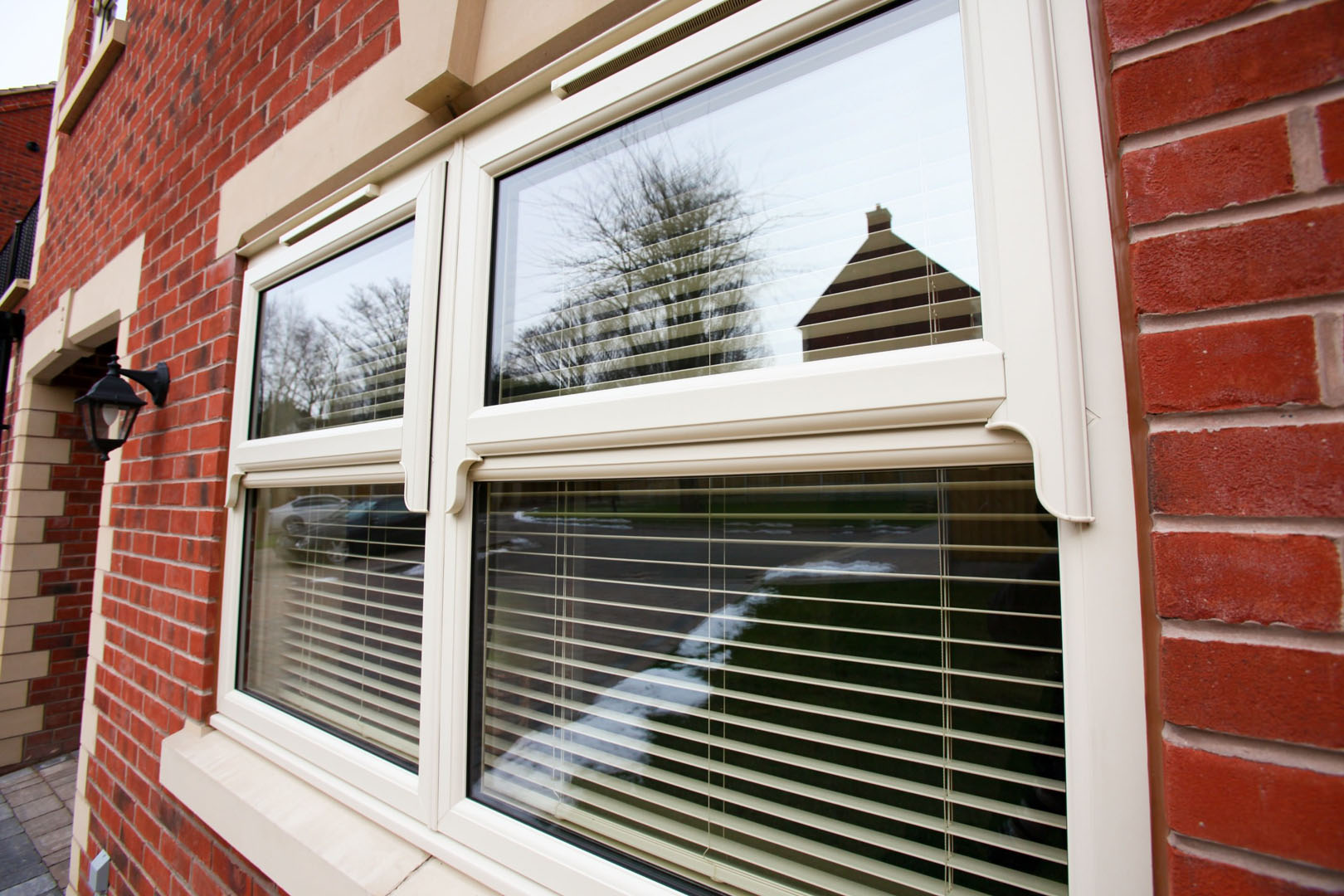
Double glazing consists of two panes of glass separated by a sealed cavity. The cavity is normally filled with air or an insulating gas such as argon. Modern double glazed windows can include features such as low-E glass, warm-edge spacers and high-performance seals to improve thermal efficiency.
Unlike secondary glazing, double glazing normally involves replacing the existing window with a new frame and sealed double glazed unit.
If you’re considering replacement windows, our guide to double glazed windows in London explains more about the benefits and options available.
Which Is More Energy Efficient?
Both secondary glazing and double glazing can reduce heat loss, but performance depends on the complete window system.
Important factors include:
- Glass specification
- Air gap
- Frame material
- Window seals
- Installation quality
- Condition of the existing window
- U-value
A lower U-value generally indicates better thermal insulation. For a deeper explanation of window energy performance, see our guide to understanding energy ratings in windows.
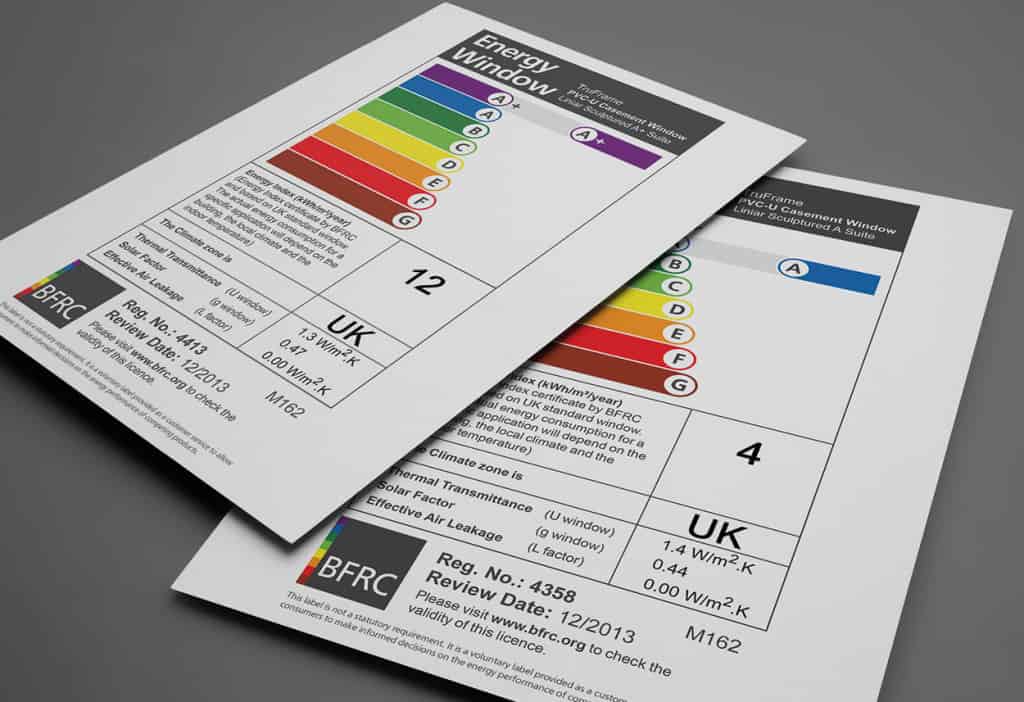
Modern double glazing is designed as a complete system, with the glass, frame and seals working together. However, well-designed secondary glazing can also significantly improve the thermal performance of older single glazed windows.
If energy efficiency is your main priority, compare the actual specifications of the products rather than assuming one option will always perform better.
Secondary Glazing vs Double Glazing for Noise Reduction
For homes affected by traffic, trains or other external noise, secondary glazing can be particularly effective.
The existing window and additional internal pane create two separate barriers, with the gap between them helping to reduce sound transmission.
Double glazing can also provide good acoustic performance, particularly when combined with specialist acoustic glass.
Our guide to the best glazing for noise reduction explains some of the glazing options available for homeowners concerned about outside noise.
If noise reduction is your priority, ask about the glazing specification rather than choosing based simply on whether the window is double or secondary glazed.
Is Secondary Glazing Better for Period Properties?
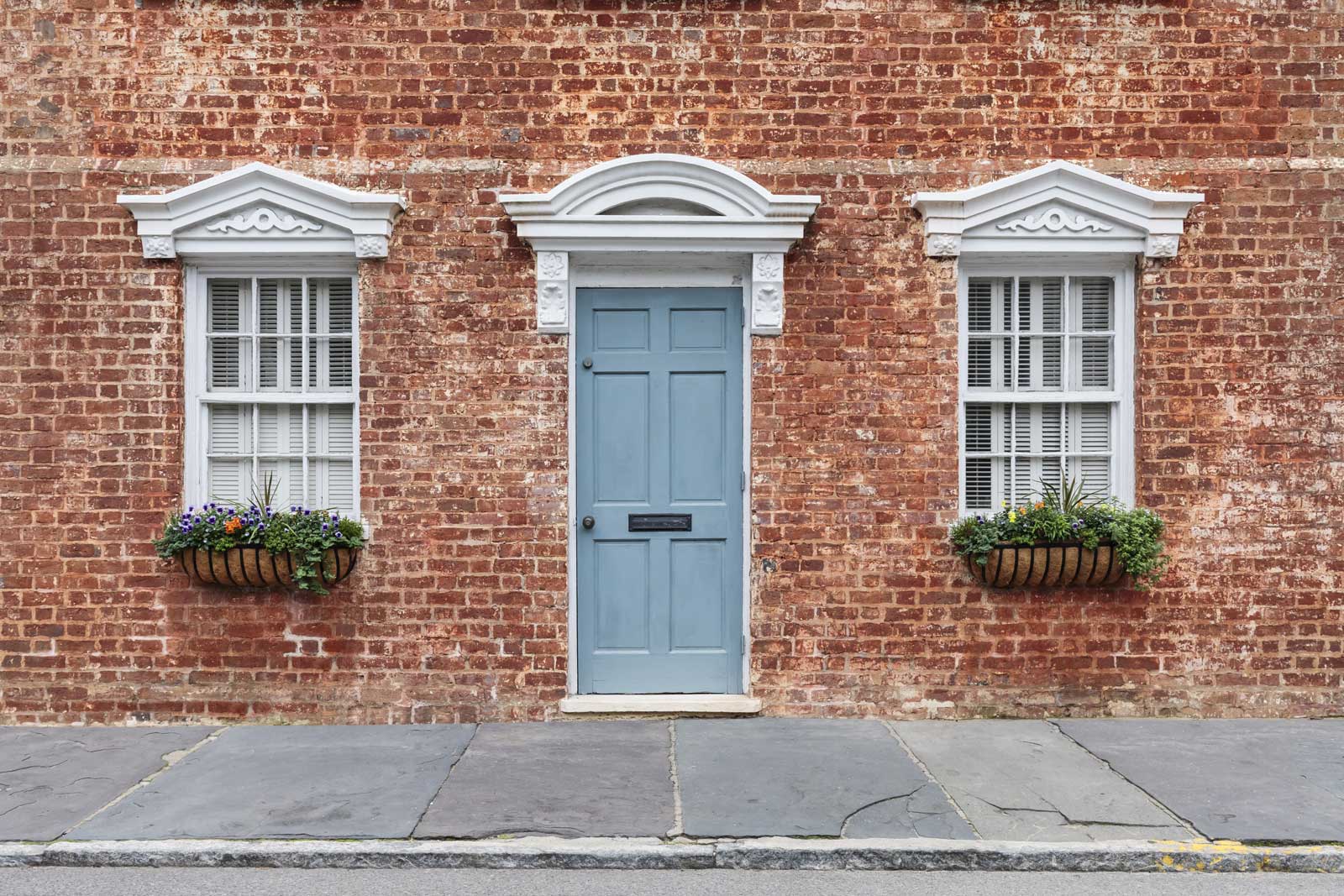
This is one of the biggest advantages of secondary glazing. Original windows can be an important part of a period property’s character. Replacing them with modern windows may change the appearance of the building. Secondary glazing allows the original windows to remain in place while improving their performance from inside.
It can therefore be worth considering for:
- Victorian homes
- Edwardian homes
- Georgian properties
- Traditional cottages
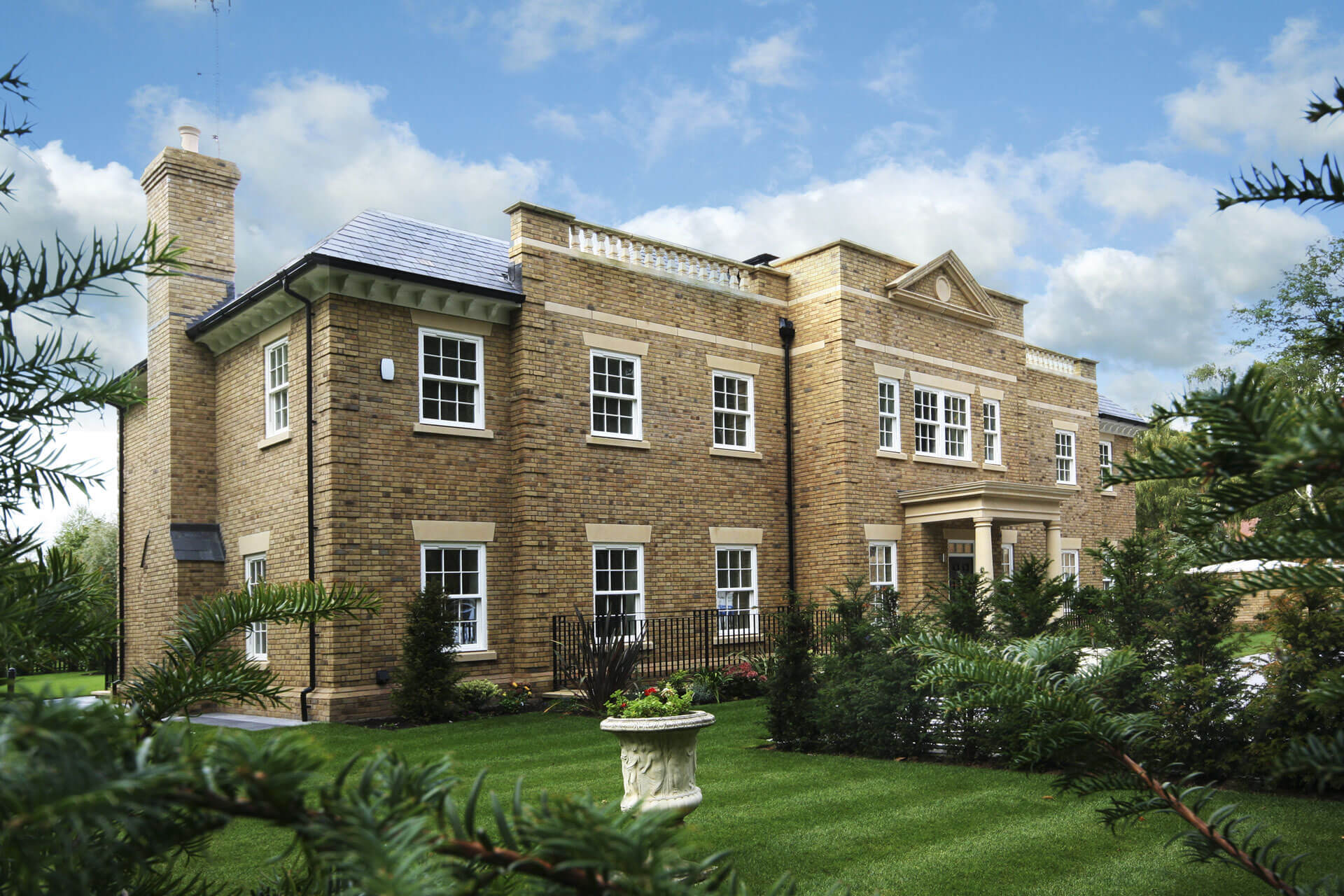
- Listed buildings
- Conservation-area properties
- Timber sash windows
If you’re considering options for a period property, our guide to heritage windows looks at the features and considerations associated with traditional-style windows.
For homeowners looking for secondary glazing for period properties, retaining the original windows can be a major benefit.
Secondary Glazing for Sash Windows
Traditional sash windows are particularly well suited to secondary glazing when the original frames are still in good condition.
Secondary glazing can help address issues such as:
- Draughts
- Heat loss
- Cold glass
- Outside noise
- Poor thermal performance
It provides an alternative to replacing the original sash windows completely.
However, if the existing windows have significant rot, structural damage or failing components, repair or replacement may be more appropriate.
Which Is More Secure?
Modern double glazed replacement windows can incorporate advanced security features, including: multipoint locking systems, laminated or toughened glass, security handles, reinforced frames and improved locking hardware
Secondary glazing provides another physical barrier but shouldn’t automatically be considered a replacement for a secure external window.
If your existing windows are damaged or insecure, replacement double glazing may provide a more comprehensive security upgrade.
Secondary Glazing vs Double Glazing Cost
The cost of secondary glazing and double glazing depends on the property and specification.
Factors include:
- Number and size of windows
- Glass type
- Frame material
- Installation requirements
- Condition of existing windows
- Acoustic or security requirements
Secondary glazing can be more economical when your existing windows are in good condition and don’t need replacing.
However, if your frames are deteriorating, investing in replacement double glazing may offer better long-term value.
When comparing secondary glazing costs with double glazing costs, consider performance, maintenance and expected lifespan rather than looking only at the initial price.
Can Secondary Glazing Replace Double Glazing?
In some situations, yes.
Secondary glazing can be an effective alternative when your existing windows are structurally sound and you want to improve insulation or reduce noise without removing them.
It may be particularly appropriate for period properties where original windows need to remain.
However, secondary glazing won’t solve problems such as severely rotten frames or failing window structures. In those situations, replacement windows may be the better option.
If you’re unsure whether your windows need replacing, our guide covering 10 signs it’s time to replace your windows can help you assess their condition.
Secondary Glazing vs Triple Glazing
Triple glazing uses three panes of glass rather than two and can offer excellent thermal performance.
However, it is generally more expensive and heavier than double glazing.
For modern properties where complete window replacement is appropriate, triple glazing may be worth considering. For period properties where the original windows need to remain, secondary glazing may be a more suitable solution.
Read our guide to whether triple glazed windows are worth it for a more detailed comparison.
What About Condensation?
Improving your windows can affect condensation, but it is important to understand what is causing the problem.
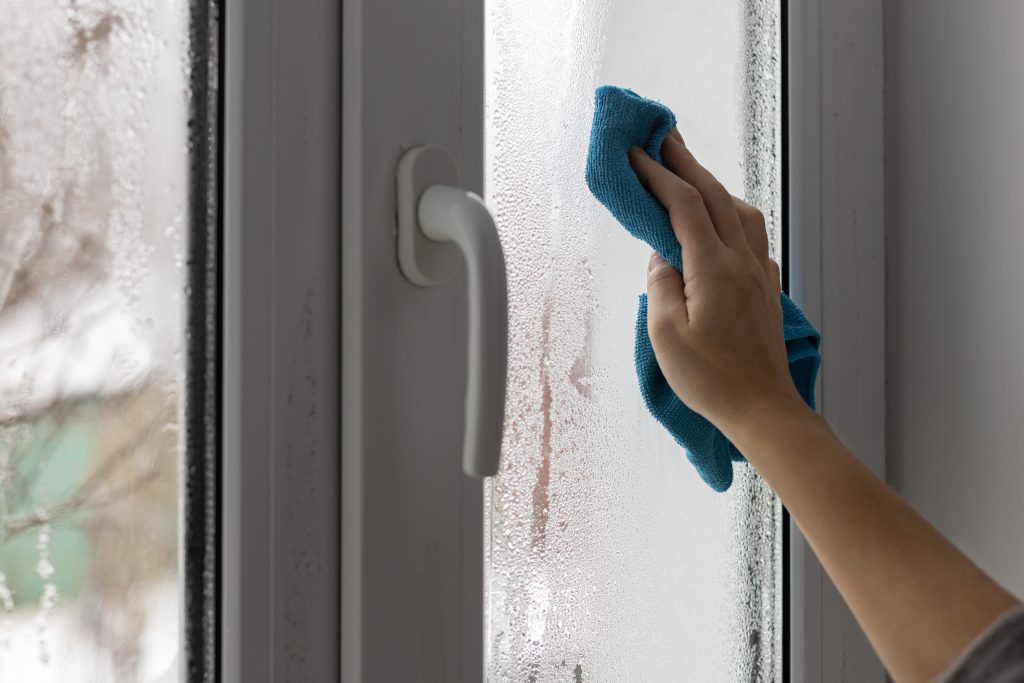
Condensation can occur when warm, moist indoor air meets a cold surface. Poor ventilation and high humidity can also contribute.
If condensation is appearing between the panes of an existing double glazed unit, this may indicate that the sealed unit has failed.
Our guide on whether double glazing stops condensation explains the issue in more detail, while our guide to stopping window condensation covers practical ways to reduce it.
Simply adding another pane of glass isn’t a universal solution to condensation problems, so it’s important to establish the cause first.
Which Should You Choose?
So, which is better: secondary glazing or double glazing?
Secondary glazing may be the better option if you want to keep your original windows, particularly if you own a period property or have traditional sash windows. It can improve insulation and reduce outside noise without changing the external appearance of your home.
Double glazing may be more suitable if your existing windows are damaged, draughty or reaching the end of their lifespan. It provides a complete window upgrade with modern frames, seals, glazing and security features.
The right choice depends on your home, budget and priorities.
Not sure which option is right for you? Contact Wimbledon Windows for expert advice or request a free window quote.

- Casement Windows: What Are They and Are They Right for Your Home? - 17 September 2026
- Secondary Glazing vs Double Glazing: Which Is Better? - 20 August 2026
Categories: Uncategorised